Context Is Cheaper to Rent Than to Rebuild, Which Makes It the Asset
Why enterprise AI context is the durable asset, not the model: a per-layer rent-vs-own framework covering rebuild costs, governance, exportability and an acceptance checklist.
Why file-level CAD reading capability does not make an engineering estate AI-ready, and what a governed engineering data catalog must contain: identity, lifecycle state, structure, effectivity, change history, ownership and enforced access, plus acceptance queries to test before committing to a model.
A frontier model API call is a boundary change, not a feature toggle. Learn how to make the egress path visible, bounded, and verifiable with boundary logs, pre-egress classification, and endpoint-level provider checks.
A worked order-data trace through Bronze, Silver, and Gold: what each layer changes, how Gold feeds BI, and why the layers are logical, not three storage systems.
Opening every app to an AI assistant solves calling, not identity. Once assistants surface any entity in a semantic index, entity resolution becomes the enterprise constraint — and the data team's bill.
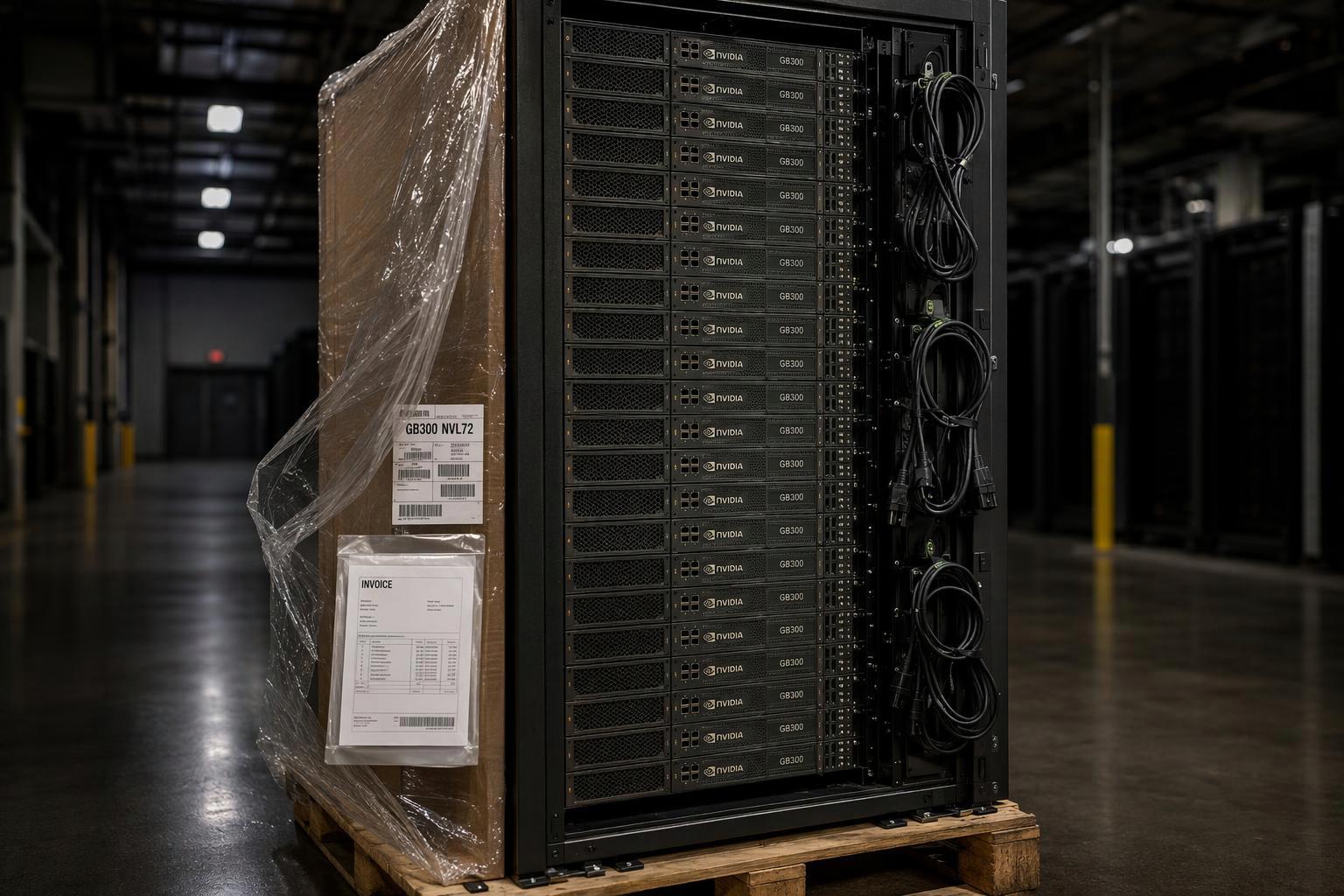
Contracted compute and energized compute run on different clocks. Why capacity forecasts built on signed megawatts overstate supply and understate unit cost, and how to report three columns with three dates.
A Lean formalization of the Stacks Project surfaced missing hypotheses and overstated claims, not faulty reasoning. The transferable lesson for CDOs: write metric preconditions before you compute.
How to compare hybrid search platforms on fusion model, cost structure, latency at scale, and usage metering — with an acceptance checklist and test harness for validating vendor claims.
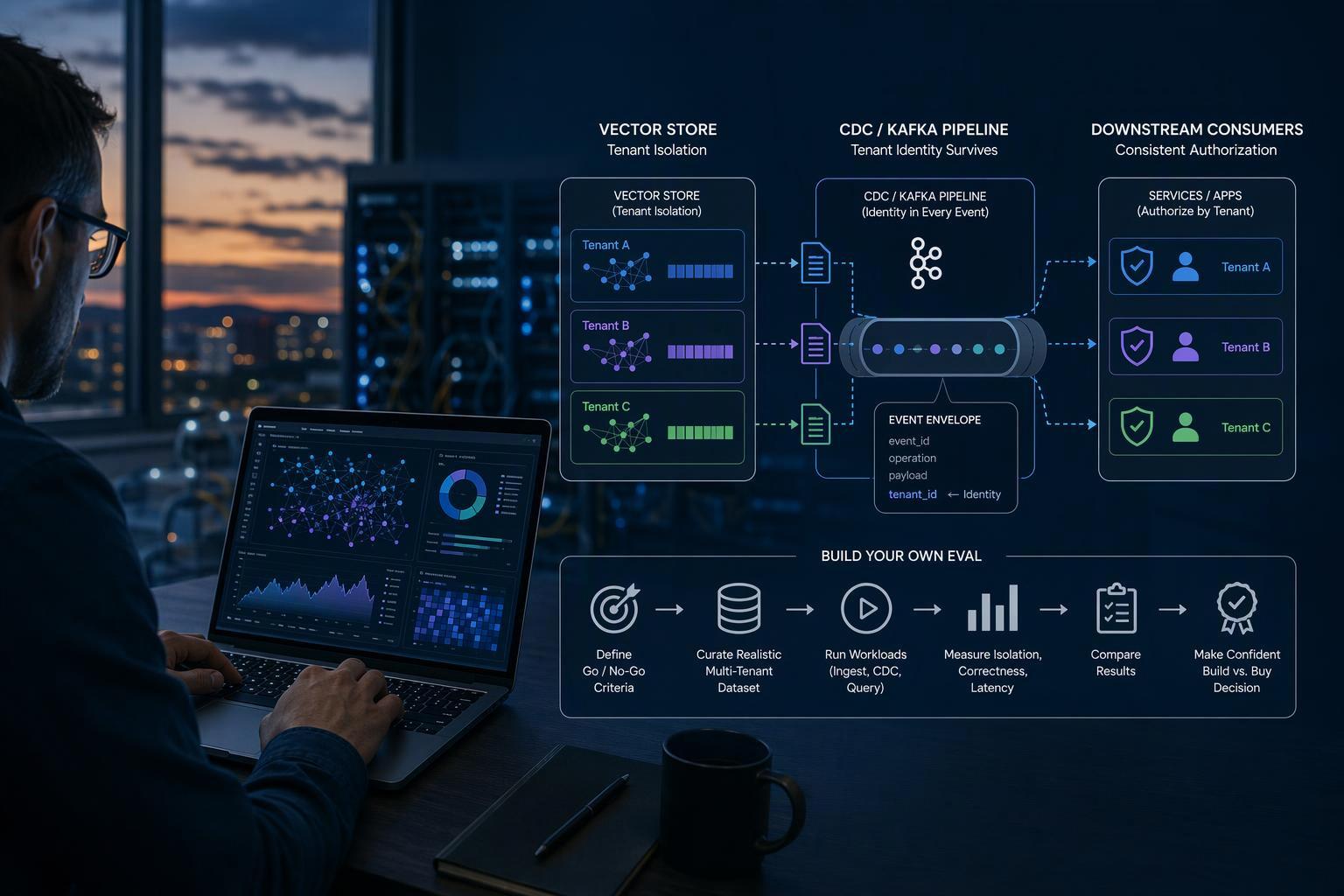
A buyer's guide to multi-tenant vector search security: where tenant isolation is enforced, how filtered ANN recall is measured, and what managed Kafka CDC pipelines absorb versus relocate.
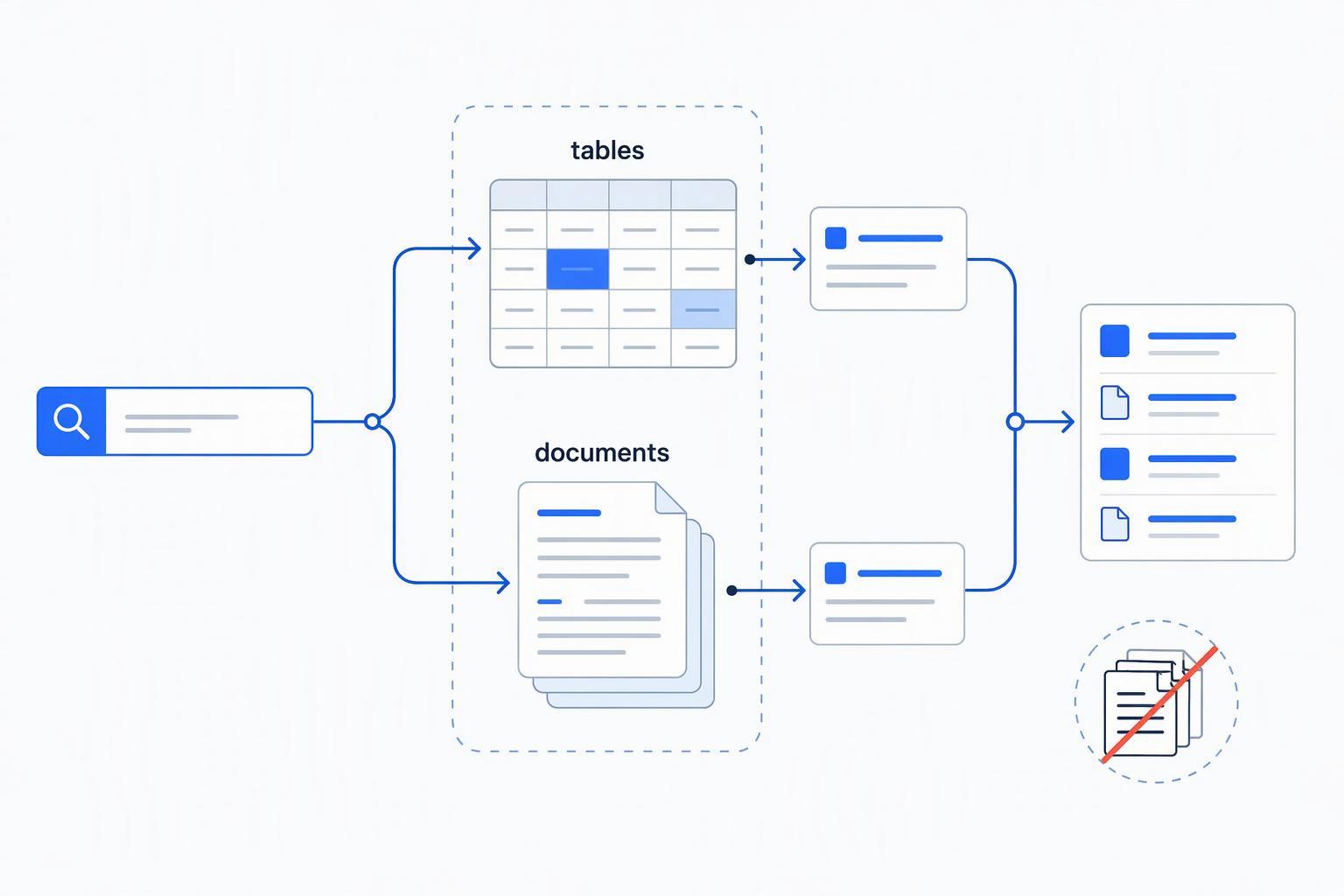
A practical guide to searching tables and documents across systems without bulk copying: zero-copy access, metadata and derived-index copies, federated query limits, open table format portability, storage-compute separation, compute contract risk, and residency constraints, with an acceptance checklist to test before you sign.
A fair comparison of Singdata Lakehouse, Databricks AI/BI Genie and Snowflake Cortex on NL BI, permission control, hallucination prevention, performance, pricing transparency and verified ROI.
Singdata reduces AI SQL hallucinations with a governed semantic layer, deterministic agent execution, and auditable SQL output, and binds AI analytics to user-level RBAC and row-level security.
Stay updated with the latest reviews and industry insights from this author.
View Profile