

The Cost of Metric Drift: Conflicting Reports, Unreliable Agents
Metric drift causes conflicting reports and unreliable AI agents. Learn to measure its cost, detect it, and contain it with versioned definitions.
1h 11m read
Metric drift causes conflicting reports and unreliable AI agents. Learn to measure its cost, detect it, and contain it with versioned definitions.

An end-to-end implementation guide to making weekly forecasts accountable: register forecasting agents with named owners, compute delegated permissions as an intersection, gate irreversible actions, and keep an audit record that reconstructs every published number.
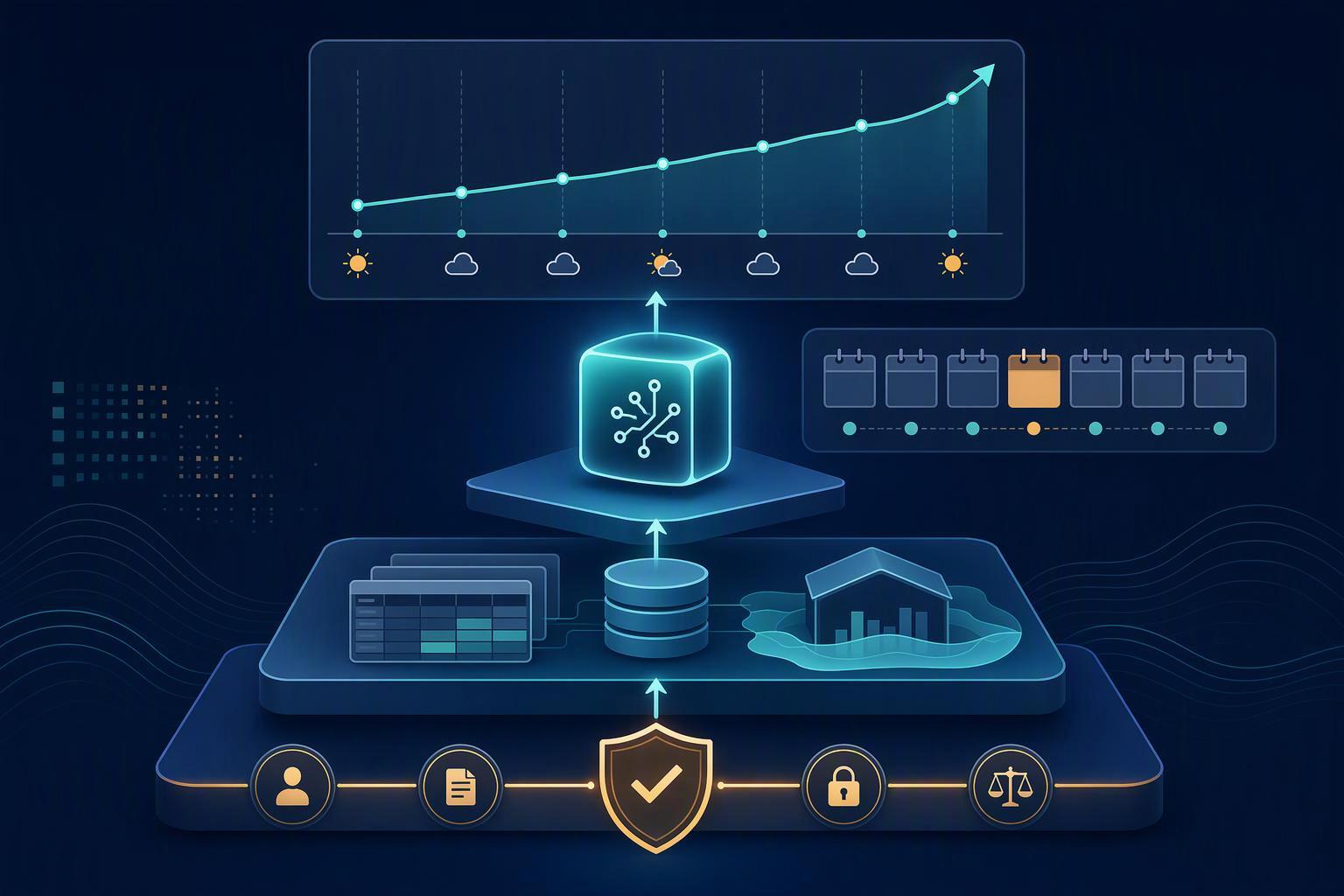
How to architect a Microsoft Fabric data agent for weekly forecasting: separate the forecasting engine from the agent, pin the weekly data contract, store revisions for point-in-time comparison, and validate answers before publication.
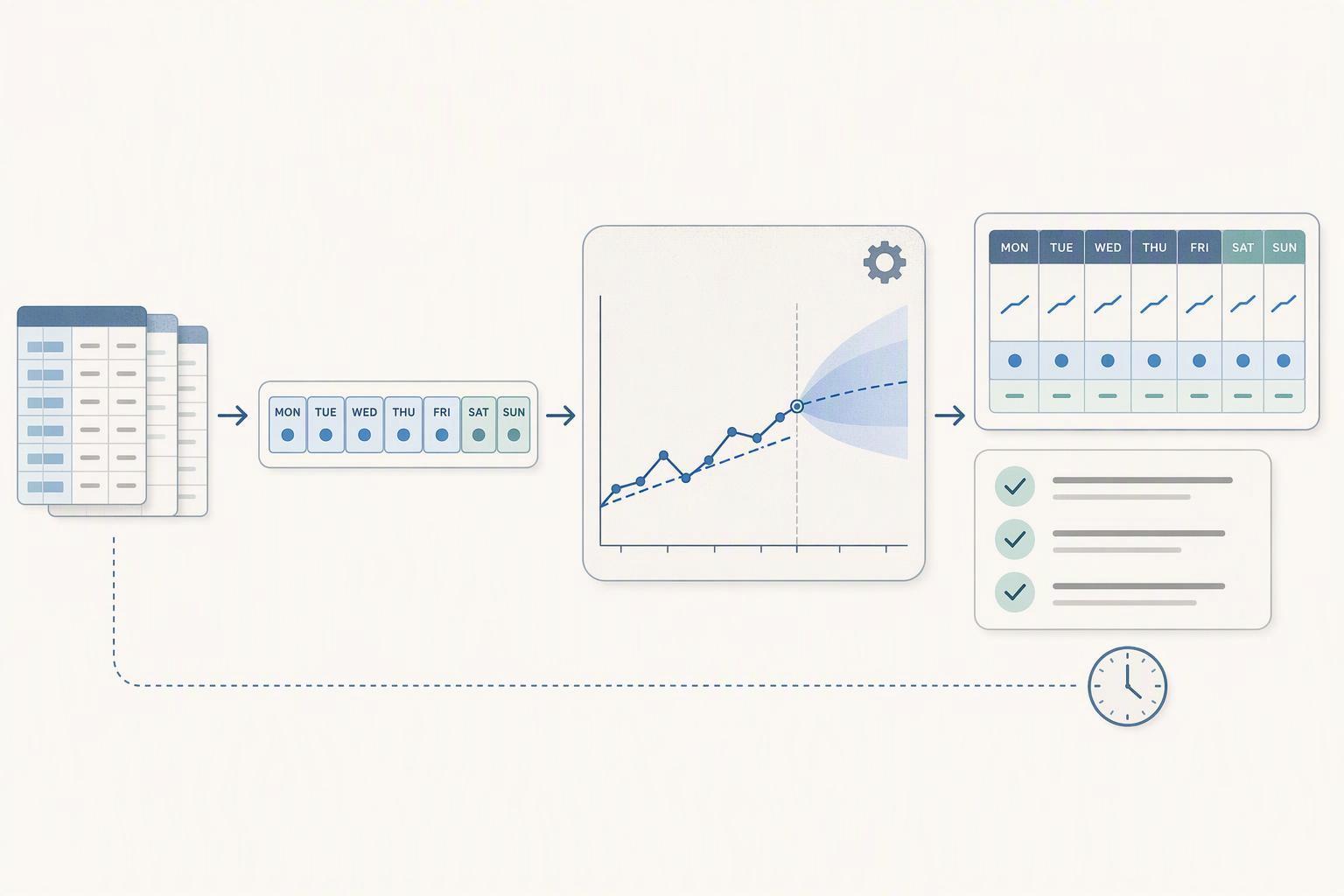
Design a reliable automated weekly forecasting pipeline: enforce cutoff and restatement rules, use rolling-origin backtests, govern metric definitions, and audit overrides.

Why AI incidents are authority failures, not model failures: an accountability map, propose-approve-execute separation, fail-closed defaults, and a pre-incident test plan for enterprise AI agents.

Why a revenue target and a revenue forecast must stay separate in weekly reviews, a five-step weekly forecasting sequence, and the governed data foundation it needs.

Why memory fidelity, not storage volume, is the real cost driver in agent and organizational memory: five testable dimensions, where fidelity decays, and a measurement design.

Why enterprise data agents guess instead of asking: the definitional, boundary and exemplar context you never wrote down, how to sequence it, and how to test it.

Why public fix commits often precede vulnerability advisories, how patch diffs expose the flaw, and four quantities teams can measure: inventory accuracy, patch velocity, exposure scope, and the patch-to-advisory window.

A sandbox bounds agent code, not entitlements. How to add scoped agent identities, row and column controls, audit logs and revocation.

Why one governed definition per metric stops KPI drift, plus an ownership model and a six-point acceptance checklist you can apply this quarter.

Why a stolen AI inference credential is a metered liability, not a data breach: how billing anomalies surface theft first, which spend, rate, isolation, allowlist and revocation controls bound the loss, and what each leaves open.
Stay updated with the latest reviews and industry insights from this author.
View Profile