Why Does Modifying Streaming Code Often Lead to Long Downtime?
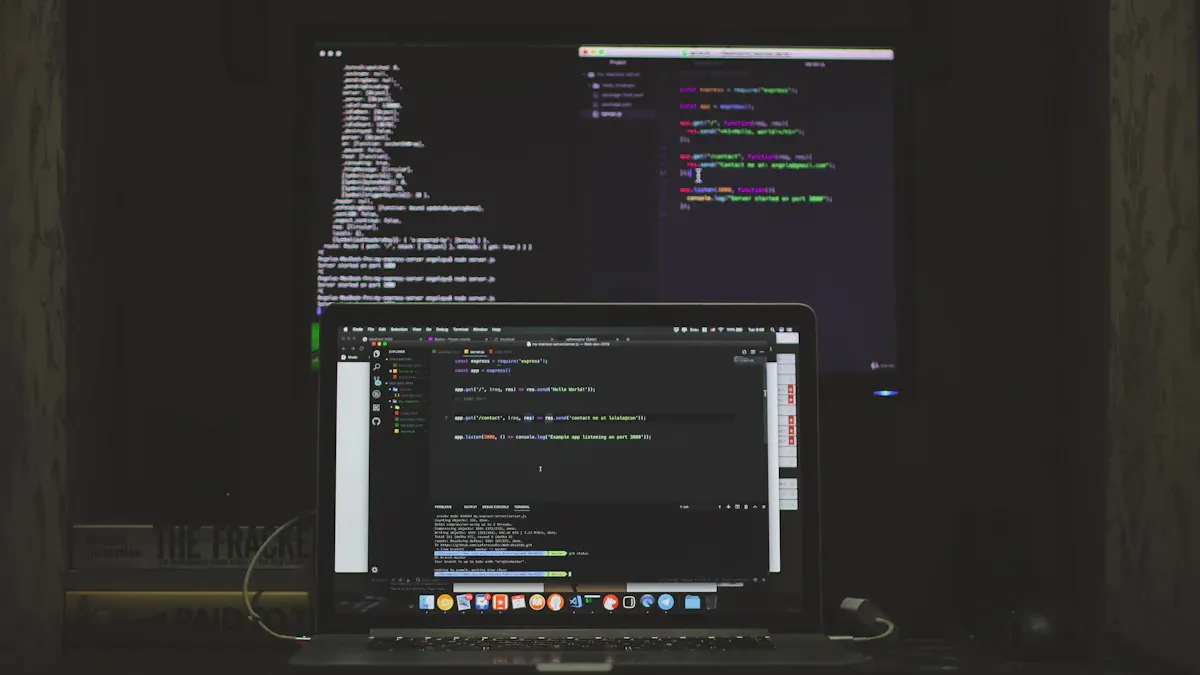
You might wonder why modifying streaming code can quickly bring a service offline. Imagine a popular video streaming platform facing hours of downtime during a global sci-fi premiere. The table below shows what happened:
Service Type | Incident Description | Impact |
|---|---|---|
Prominent Video Streaming | During the global premiere of a hit sci-fi series, millions of users attempted to stream the first episode simultaneously. | The backend services created a bottleneck, leading to hours of downtime and customer frustration. |
Technical changes often trigger unexpected issues. Human mistakes and process-related pitfalls, such as missing staged rollouts or weak monitoring, also play a big role. You must consider these risks when you update streaming systems.
Utilizing CDNs helps distribute content and reduces server load.
Rolling updates allow gradual changes and keep some servers running.
Monitoring with APM tools can catch errors in real time.
Key Takeaways
Modifying streaming code can lead to unexpected downtime due to complex system interactions. Always test changes in a safe environment first.
Utilize staged rollouts to minimize risks. This allows you to test updates with a small group before a full deployment.
Implement strong monitoring tools to catch issues early. Real-time alerts help you respond quickly and prevent major outages.
Be aware of hidden dependencies in your system. A small change can affect multiple services, leading to larger problems.
Prioritize clean code and thorough testing. Poor code quality can cause unpredictable behavior and increase downtime.
Streaming System Complexity
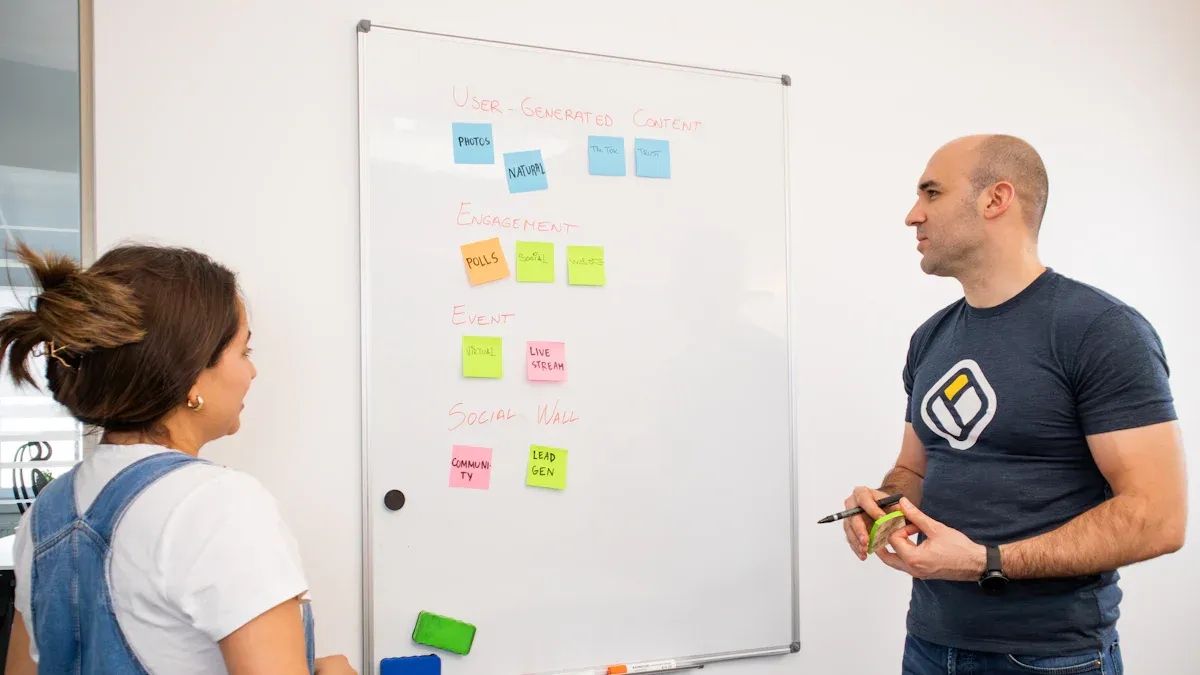
Streaming systems often have many moving parts. You must understand how these parts connect and interact. When you change one part, you can affect many others in ways you do not expect.
Interconnected Dependencies
Streaming platforms use many services that work together. If you change one service, you might break another. For example, some systems had no standards between services. This caused inconsistent data and strange behavior when teams made changes. Users sometimes found videos missing from some pages but not others. These problems made downtime longer and harder to fix. Moving to a serverless setup helped some companies. It made scaling easier and cut down deployment times. Still, you must watch for hidden links between services when modifying streaming code.
Multiple services without standards can cause erratic behavior.
Inconsistent data can make videos unavailable on different pages.
Complex connections increase the risk of downtime during changes.
Stateful Data Challenges
Streaming systems often keep track of what users watch and where they pause. This is called stateful data. If you change how the system handles this data, you can create big problems. You might send the wrong video to a user or lose their place in a show. Modifying streaming code can also open the door to security risks. For example, if you do not manage stream IDs well, one user might see another’s data. Attackers can also try to break the system by sending too many requests or using message tricks.
Data leakage can happen if you mix up stream IDs.
Attackers can use code injection if you do not check inputs.
Long-lived streams can confuse the system and cause replay attacks.
Too many open streams can drain server resources.
Protocol Compatibility
Streaming systems use special rules, called protocols, to send data. If you change these rules, you might break how services talk to each other. Asynchronous systems, which process many things at once, can act in ways you do not expect. You might lose events or see them twice. This makes it hard to know if your changes work right. You need strong testing and clear standards to keep things running smoothly.
Tip: Always test how your changes affect event handling and system performance before you go live.
Standardization helps you document and test interactions.
Integration and performance testing catch problems before users do.
Modifying streaming code in complex systems means you must plan for surprises. Even small changes can lead to big downtime if you do not understand how everything connects.
Modifying Streaming Code: Common Pitfalls

Even small changes or misconfigurations can disrupt a streaming service. You need to watch out for common mistakes that can lead to long downtime. Let’s look at some of the most frequent pitfalls.
Human Error And Coding Mistakes
You play a key role in keeping streaming systems running smoothly. Simple mistakes can cause big problems. For example, forgetting to renew a certificate can bring down a service. Spotify faced this issue when a certificate expired. Users could not access music for over an hour. Social media filled with complaints. This shows how a single oversight can affect millions.
You might also run into trouble when you change code that handles shared data. If you modify external state while streaming, you can create race conditions. These problems make results unpredictable. Changing the source collection during streaming can cause errors like ConcurrentModificationException. You may see strange bugs that are hard to fix.
Tip: Always double-check changes to shared data and certificates before you deploy.
Common coding mistakes include:
Mutating external state, which leads to race conditions.
Modifying the source while streaming, causing unexpected exceptions.
Using
forEachto build results, which can introduce side effects.Capturing mutable state in stream functions, leading to unpredictable results.
Poor Code Quality
You need to write clean and reliable code. Poor code quality can make streaming systems unstable. If you use stateful lambdas or side effects in your stream functions, you risk unpredictable behavior. Parallel streams can make these problems worse. You might see results change each time you run the code.
Network reliability issues also affect code quality. If your code does not handle connection losses well, users may lose messages or see broken pages. Automatic reconnection does not always recover lost data. You must design your code to handle these cases.
Latency issues can slow down your service. Event-driven designs sometimes create delays for users. If you do not optimize your code, streams can lag and frustrate viewers.
Note: Test your code for network failures and latency before you release updates.
Inefficient Encoding And Format Selection
You must choose the right encoding and formats for your streaming system. Inefficient encoding can slow down performance and make your service unstable. If you pick the wrong data processing protocol, you may face device compatibility problems. Users might see playback errors or poor video quality.
For example, some streaming platforms used outdated formats. This caused videos to buffer or fail on certain devices. You need to test your formats on different devices to avoid these issues.
Inefficient encoding leads to performance drops.
Poor format selection affects playback quality and stability.
Device compatibility problems can cause playback errors.
Callout: Always review your encoding and format choices before you update your streaming code.
Modifying Streaming Code requires careful planning. You must avoid these common pitfalls to keep your service running smoothly.
Downtime Escalation Risks
Cascading Failures
You may notice that a small problem in a streaming system can quickly grow into a much bigger one. When users see delays, they often refresh their pages or try to reconnect. Each action adds more pressure to the system. This extra demand can push the system past its limits. Queues fill up, resources run out, and timeouts start to pile up. These events do not happen by chance. They come from the way parts of the system interact under stress. If you do not act fast, a minor issue can turn into a full outage. Streaming platforms can lose millions of dollars each hour when this happens. Subscription losses and missed ads make the impact even worse.
Tip: Watch for early signs of trouble, like slow load times or error messages, to prevent bigger failures.
Minor Changes, Major Impacts
You might think a small update will not cause problems. In reality, even a tiny change can have a huge effect. Modifying Streaming Code can shift how data moves or how services talk to each other. A simple tweak to a timeout setting or a data format can break connections. Users may lose their place in a video or see errors. These issues can spread fast, especially during busy times. You need to test every change, no matter how small it seems.
Small updates can break key features.
Tiny mistakes can lead to long outages.
Always check changes in a safe environment first.
Hidden Dependencies
You may not see every connection in a streaming system. Hidden dependencies can surprise you when you least expect it. If you change one part, another part might stop working. A problem in a core service, like DNS, can cause failures across many regions. Even services you do not use directly can affect your platform. Mapping out all dependencies before you make changes helps you avoid these surprises.
Lack of visibility in system parts can lead to unexpected downtime.
Outages can spread from one service to many others.
Pre-migration mapping uncovers hidden links and keeps your service stable.
Note: The AWS outage showed that even well-designed systems can fail because of hidden, shared services.
Minimizing Downtime
Testing And Validation
You can reduce downtime by testing and validating every change before you deploy. When you run multiple experiments, you make sure your updates work as expected. You should use both manual and automated tests to catch problems early. The table below shows how strong testing can improve your streaming service:
Metric | Before | After | Improvement | p-value |
|---|---|---|---|---|
MTTR | 8.2 h | 5.7 h | 30.5% | <0.001 |
CoM | ₹112,000 | ₹91,300 | 18.4% | <0.001 |
MTBF | 27.5 days | 34.4 days | 25% | <0.001 |
Testing helps you spot errors and fix them before users notice. You also improve quality and performance. You should run tests in a staging environment to avoid surprises in production.
Tip: Always validate your changes with independent experiments to make sure improvements are real.
Staged Rollouts
You can avoid long outages by rolling out updates in stages. This method lets you test changes with a small group before you reach everyone. Many streaming platforms use canary releases, blue-green deployments, and feature toggles. These strategies help you control risk and recover quickly if something goes wrong.
Rolling updates work well for simple changes.
Blue-green deployments offer zero-downtime for important updates.
Canary releases help you test risky changes with a small group.
Feature toggles let you turn features on or off fast.
The table below shows how staged rollouts help streaming platforms:
Metric | Value |
|---|---|
Deployment Frequency | 4,000+ deployments per day |
Mean Time to Recovery | <15 minutes for most issues |
Availability | 99.99% uptime globally |
Feature Adoption Rate | 90%+ within 24 hours of release |
Callout: Use regional isolation and data-driven rollouts to limit problems and keep your service stable.
Monitoring And Rollback
You need strong monitoring and rollback plans to keep your streaming service running. Real-time observability tools like Prometheus and Grafana help you track system health. Automated alerts warn you about problems before users complain. If you spot an issue, you can roll back changes quickly using CI/CD pipelines and Infrastructure as Code. Docker makes it easy to restore stable versions.
Automated rollback keeps your service available during failures.
Pre-release testing in staging environments prevents outages.
Clear documentation and communication help your team respond fast.
You should also use intelligent data filtering, optimize bandwidth, and set up robust error handling. These steps help you avoid downtime when Modifying Streaming Code.
Note: Quick response and detailed logging help you fix problems before they grow.
You face long downtime when Modifying Streaming Code because of technical complexity and human mistakes. Careful planning, strong testing, and real-time monitoring help you avoid these risks. You can use proven steps to reduce downtime:
Use two-person authentication for code changes.
Stagger rollouts and set up early warning systems.
Keep service snapshots for quick rollback.
Repeated outages can damage your brand and drive users away.
KPI | Description |
|---|---|
The average time to fix downtime. | |
System Uptime Percentage | How often your service stays online. |
Incident Frequency | How many outages happen over time. |
Try blue-green deployments like Netflix and Etsy. Consult experts to build robust processes and protect your streaming service.
FAQ
Why does a small code change cause a big outage?
You might change one line and see a major outage. Streaming systems have many hidden links. One small update can break connections or overload servers. Always test changes in a safe environment first.
How can you reduce downtime after a failed deployment?
You can use automated rollback tools. These tools restore the last working version fast. Real-time monitoring helps you spot problems early. Quick action keeps your service online.
What is a canary release in streaming services?
A canary release lets you test new code with a small group of users. You watch for errors before a full rollout. This method lowers risk and protects most users from bugs.
Do you need to test on every device?
Yes. You should test on many devices and browsers. Different devices handle streams in unique ways. Testing helps you find and fix playback issues before users complain.
See Also
Enhancing Speed And Simplicity In Streaming Data With Kafka
Navigating The Difficulties Of Dual Pipelines In Lambda Design
Understanding Algorithms That Improve Delivery Route Efficiency
Creating A Feedback Loop For Adaptive ETA And Capacity Planning