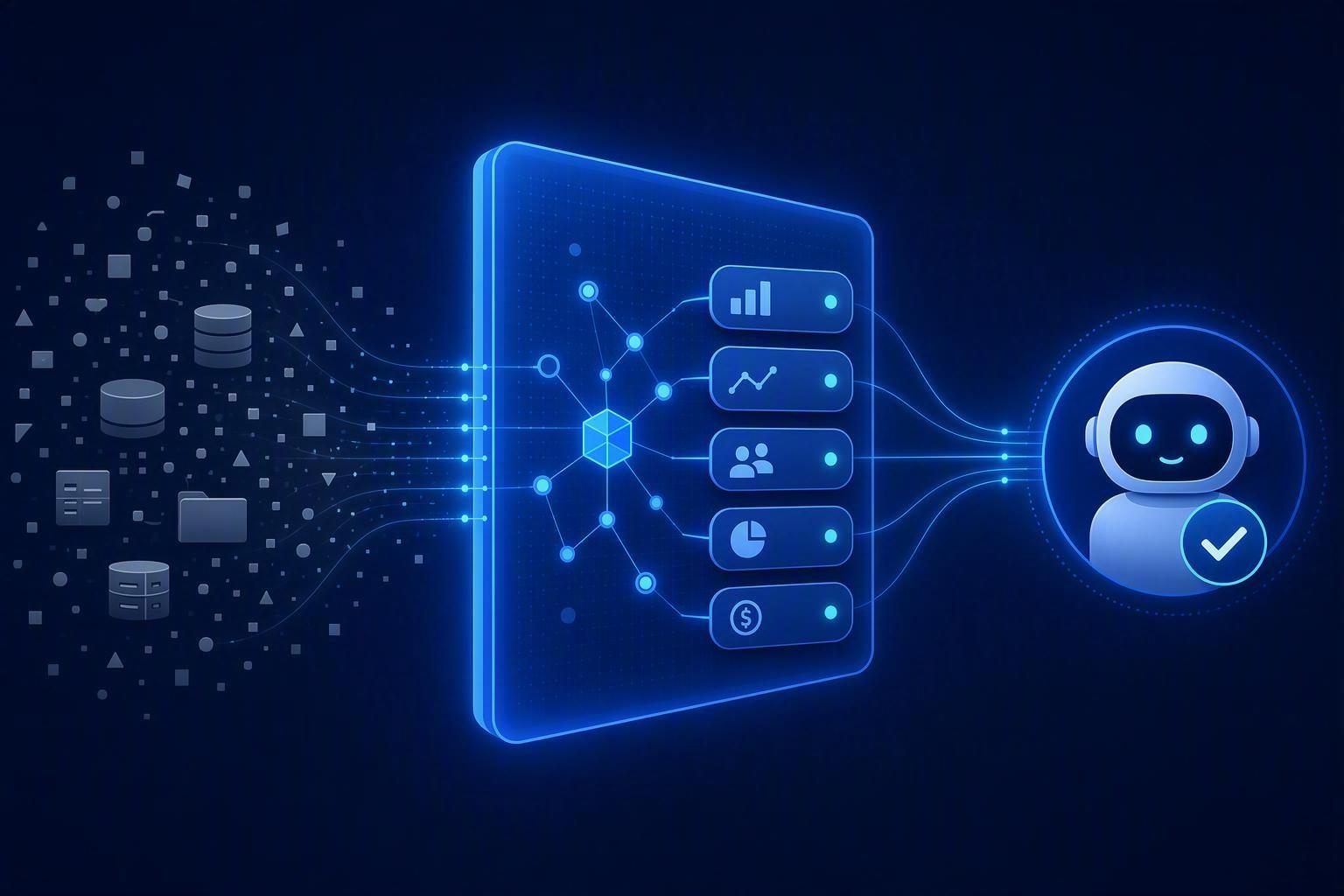
Least-Privilege Agent Access for Enterprise Data Agents
Enforce least-privilege agent access: per-query authorization, short-lived scoped credentials, read/write and tenant separation, tested revocation.
Explore governed semantic layers, verifiable Text-to-SQL, and AI-ready lakehouse data that power enterprise AI agents and prevent SQL hallucinations.
Enforce least-privilege agent access: per-query authorization, short-lived scoped credentials, read/write and tenant separation, tested revocation.
How verification-first enterprise data agents turn AI output into auditable decisions: SQL validation, metric lineage, sign-off and rollback.
What enterprise data agents are, how their architecture and governance work, and why data readiness decides whether they deploy.
How Singdata Semantic Views define relationships, dimensions and metrics once for BI, SQL and AI agents — plus modeling steps, change control, validation tests and documented limitations.
A refreshed AI dashboard proves a query ran, not that data is fresh. Test freshness across four layers with an auditable SLA.
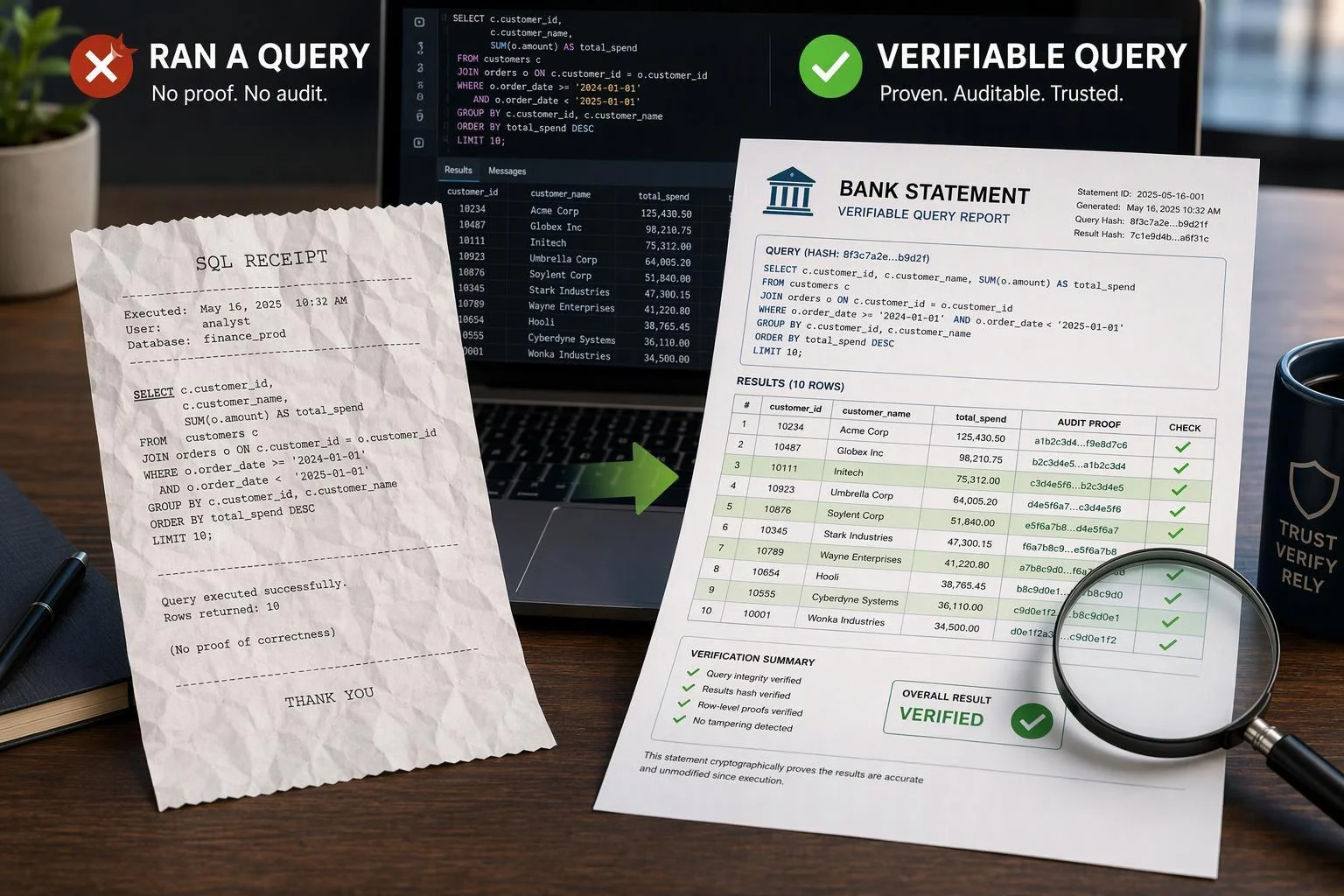
A practical framework for verifiable SQL: the audit packet artefacts reviewers can demand, failure modes that survive execution, a pre- and post-production review process, row-level security verification, and an acceptance checklist for AI-generated SQL.
A 2026 comparison of text-to-SQL and natural language BI tools — Snowflake Cortex Analyst, Databricks Genie Agents, ThoughtSpot Spotter, Omni, Looker, Power BI Copilot, Hex, Wren AI and Vanna — judged on SQL inspectability, permission enforcement, semantic modeling burden, metric inheritance, open-source cost and stack fit, with a pilot acceptance checklist.
A three-part look at Text-to-SQL hallucination: what the published error studies show, the safeguards Singdata applies — semantic layer modeling, metadata validation, pre-execution logic checks, and feedback loops — and the benchmark and customer evidence a buyer should demand before trusting an accuracy claim.
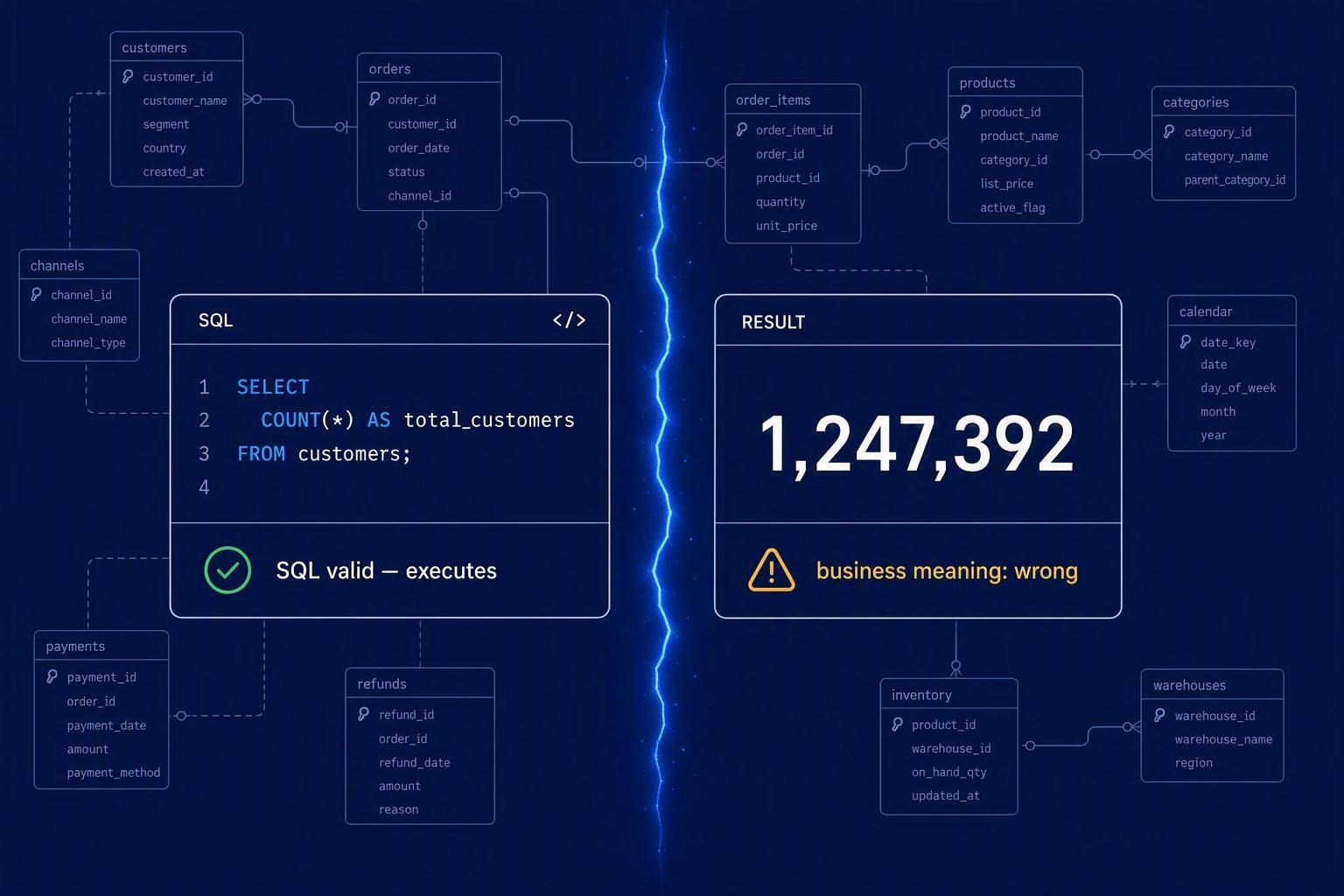
Valid SQL can still answer the wrong business question. Why text-to-SQL accuracy collapses in production, and the semantic layer that fixes it.
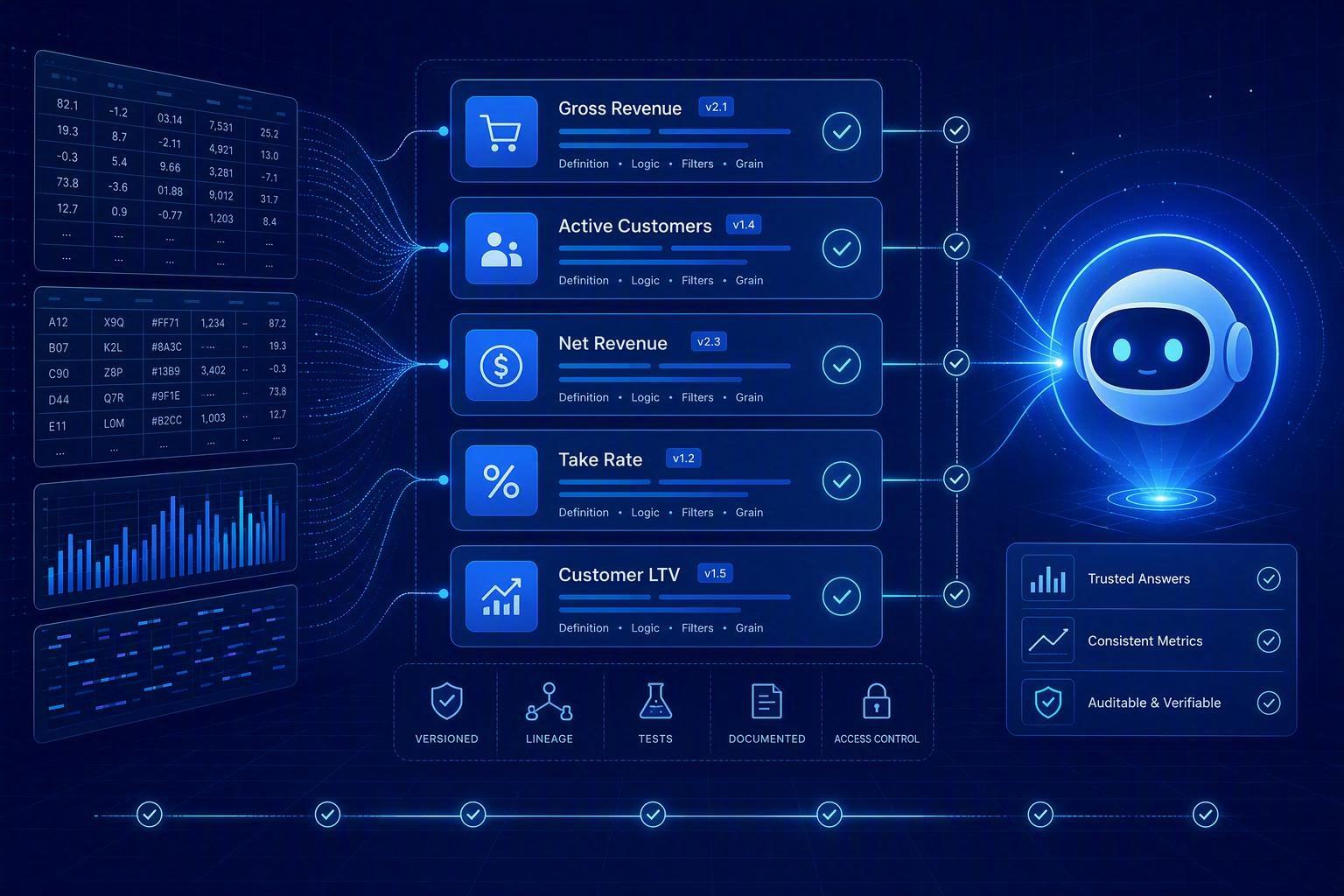
Semantic layers make AI trustworthy because consistent definitions make answers testable. Learn how governed meaning turns a plausible AI answer into one you can verify.
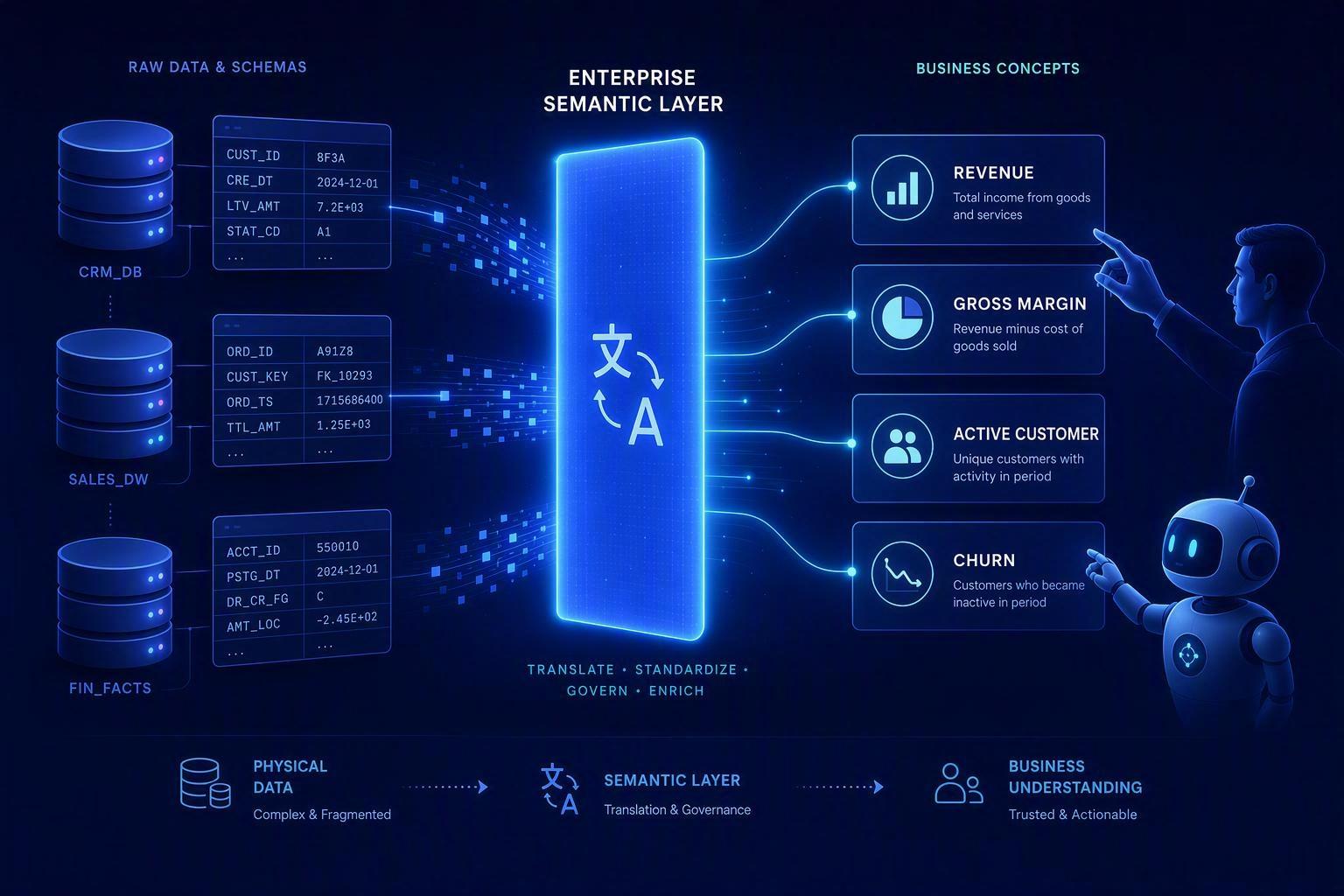
An enterprise semantic layer translates raw data structures into the business concepts your teams and AI can trust. See how it works and why it matters.
Semantic layers turn raw data into governed meaning AI can trust. See why they're the foundation of accurate, auditable natural-language analytics.
Get the latest reviews and insights in this category delivered to your inbox.
Learn More