Private-Domain Traffic: The China-Born Concept Explained

Private-domain traffic refers to brand-owned customer channels that allow you to build stronger relationships through personalized interactions. Unlike public platforms, these channels give you full control over customer data, enabling tailored engagement strategies. In China, this concept has revolutionized how businesses interact with consumers. For example:
A WeChat campaign in 2020 attracted 500,000 participants, with 100,000 making their first purchase. First orders exceeded 200 yuan.
ilollipop’s private-domain strategy helped 180,000 members generate over 85% of sales, averaging 3 million yuan monthly.
By reducing reliance on third-party platforms, private-domain traffic empowers brands to lower costs and drive long-term growth.
Key Takeaways
Private-domain traffic helps brands connect directly with customers.
This creates personal experiences and builds stronger customer loyalty.
Using private channels costs less than paying for outside ads.
Brands can use apps like WeChat to make fun communities.
These communities improve how brands talk to and keep customers.
Personalizing with data makes customers happier and increases sales.
Tracking things like customer loyalty and value improves strategies.
What Is Private-Domain Traffic?

Definition and Key Characteristics
Private-domain traffic refers to customer interactions that occur on brand-owned platforms. These channels allow you to engage directly with your audience without relying on third-party platforms. Unlike public-domain traffic, private-domain traffic gives you full control over customer data and communication. This control enables you to create personalized experiences, build stronger relationships, and foster long-term loyalty.
Key characteristics of private-domain traffic include:
Ownership: You own the platform and the customer data, giving you complete control over how you interact with your audience.
Personalization: You can tailor content, offers, and communication to meet individual customer needs.
Cost Efficiency: By reducing reliance on paid advertising, you can save on marketing costs.
Retention Focus: These channels prioritize customer retention and repeat purchases over one-time transactions.
For example, Coach used a membership system to increase repeat purchases by 150%. Similarly, JD.com achieved 63% higher conversion rates through private-domain solutions compared to open platforms. These examples highlight the effectiveness of private-domain strategies in driving engagement and sales.
How It Differs from Public-Domain Traffic
Private-domain traffic differs significantly from public-domain traffic in terms of control, cost, and customer retention. Public-domain traffic relies on third-party platforms like social media or search engines to attract customers. In contrast, private-domain traffic occurs on platforms you own, such as a brand app or a WeChat mini-program.
Here’s a quick comparison:
Feature | Private-Domain Traffic | Public-Domain Traffic |
|---|---|---|
Ownership | Fully owned by the brand | Controlled by third-party platforms |
Cost | Lower long-term costs | Higher costs for paid ads |
Retention Rate | N/A | |
Personalization | Highly personalized | Limited personalization |
Private-domain traffic also allows you to build deeper relationships with your audience. For instance, financial institutions in China reduced customer acquisition costs by 40% using private-domain strategies. This approach not only saves money but also ensures better customer retention compared to public-domain channels.
Examples of Private-Domain Traffic Channels
Several platforms and tools can help you build private-domain traffic. In China, WeChat plays a central role in this strategy. Its mini-programs and group chats allow brands to create personalized experiences and foster community engagement. For example, BMW used a WeChat mini-program to convert 38% of engaged users into dealership visits.
Other examples include:
Brand Apps: These apps give you full control over the user experience and data. JD.com combines inventory data with behavioral analytics to enhance customer engagement.
Membership Systems: Retail brands like Coach use membership systems to encourage repeat purchases and build loyalty.
Healthcare Platforms: United Family Healthcare uses mini-programs to engage patients and improve retention rates.
These channels enable you to create a seamless and personalized customer journey. By leveraging private-domain traffic, you can reduce costs, improve retention, and drive long-term growth.
Why Is Private-Domain Traffic Significant in China?
The Rise of E-Commerce and Social Commerce
China's e-commerce and social commerce markets have grown at an unprecedented pace, creating fertile ground for private-domain traffic strategies. The country's online market is projected to reach $1.38 trillion by 2025, with social commerce accounting for 17.1% of online retail sales. This growth reflects a shift in consumer preferences, as 71% of shoppers now favor purchasing through social media platforms.
Statistic | Value |
|---|---|
Value of China's online market in 2025 | $1.38 trillion |
Percentage of consumers preferring social media shopping | 71% |
Annual transaction increase in social commerce (2023-2024) | 7.2% |
Projected percentage of online retail sales from social commerce by 2025 | 17.1% |
Brands like Pinduoduo and Perfect Diary have capitalized on this trend. Pinduoduo uses group purchasing through WeChat to engage users and reduce costs. Perfect Diary leverages WeChat groups and virtual Key Opinion Consumers (KOCs) to foster loyalty and build brand recognition. These examples highlight how private-domain traffic enables brands to thrive in a competitive digital landscape.
Social commerce innovations, such as live-streaming and influencer marketing, have further blurred the lines between entertainment and shopping. This integration has made private-domain traffic channels essential for brands aiming to capture and retain consumer attention.
The Role of WeChat and Mini-Programs
WeChat and its mini-programs play a pivotal role in private-domain traffic strategies. With over $200 billion in e-commerce transactions occurring via WeChat Mini Programs last year, the platform has become a cornerstone for brands seeking direct customer engagement.
Mini-programs offer a seamless user experience, allowing you to create personalized shopping journeys. Metrics like average time spent on mini-programs and conversion rates demonstrate their effectiveness. For example:
Metric | Description |
|---|---|
Mini-Program Visits | Total number of users accessing Mini Programs, measuring reach and popularity. |
Time on Mini-Program | Average time users spend in Mini Programs, indicating content engagement. |
Mini-Program Conversion Rate | Percentage of users completing desired actions, evaluating conversion effectiveness. |
Transaction Volume | Total number and value of transactions via WeChat Pay, indicating adoption and trust. |
WeChat also facilitates community building through group chats and event registrations. These features allow you to engage customers in a more interactive and personalized manner. By leveraging WeChat's ecosystem, brands can reduce their reliance on public-domain traffic and create a more sustainable growth model.
Consumer Behavior Trends in China
Consumer behavior in China has evolved significantly, favoring private-domain traffic channels. Younger generations, particularly Gen Z, value personalized recommendations and a sense of belonging. Private-domain strategies cater to these preferences by offering tailored experiences and exclusive content.
Recent studies reveal that well-being perceptions influence brand loyalty and consumer behavior. For instance:
Study Focus | Methodology | Key Findings |
|---|---|---|
Well-Being Perceptions | Surveys | Demonstrated that well-being perceptions significantly influence brand loyalty and consumer behaviors, such as positive word-of-mouth. |
Additionally, ethical purchasing trends have gained traction, with consumers prioritizing sustainable and ethically sourced products. This shift aligns with private-domain traffic's ability to deliver personalized and meaningful interactions.
Brands are also moving away from mass advertising to create closed-loop ecosystems. These ecosystems focus on deeper customer engagement through loyalty programs and exclusive offers. By adopting private-domain traffic strategies, you can adapt to these changing behaviors and build long-term relationships with your audience.
Cost-Effectiveness Compared to Paid Advertising
Private-domain traffic offers a cost-effective alternative to paid advertising, especially in China's competitive digital landscape. By focusing on direct engagement with your audience, you can reduce expenses while building stronger customer relationships.
Lower Customer Acquisition Costs
Acquiring new customers through paid advertising often comes with high costs. For example, Alibaba's customer acquisition costs rose from 12.17 yuan in 2013 to 146.15 yuan in 2020. Private-domain traffic helps you bypass these rising expenses by nurturing existing customers. Direct interactions in private channels foster loyalty, leading to repeat purchases and higher lifetime value.
Control Over Consumer Data
Paid advertising relies on third-party platforms, which control consumer data. In contrast, private-domain traffic allows you to manage your own data. This control lets you create personalized experiences and retarget customers effectively, all without the added expense of external platforms.
Proven ROI
Private-domain traffic demonstrates a strong return on investment. Engaging customers through brand-owned channels costs less than running paid campaigns. During economic downturns, this strategy becomes even more valuable, as it ensures stable customer engagement without overspending.
Enhanced Brand Value
Private-domain traffic boosts your brand's value by enabling direct consumer engagement. Positive word-of-mouth from loyal customers increases awareness and trust. This organic growth reduces your reliance on expensive advertising campaigns.
Reduced Customer Churn
Ongoing communication in private channels helps you retain customers. Unlike paid ads, which often focus on one-time transactions, private-domain traffic promotes long-term relationships. This stability minimizes churn and ensures consistent revenue.
By leveraging private-domain traffic, you can achieve cost savings, improve customer retention, and enhance your brand's reputation—all while reducing dependency on paid advertising.
How Brands Can Leverage Private-Domain Traffic

Building and Nurturing Private Communities
Creating private communities allows you to build trust and loyalty while fostering meaningful interactions. These communities act as a space where customers feel valued and connected to your brand. By engaging members in discussions, offering exclusive content, and responding to feedback, you can humanize your brand and create a valuable feedback loop. This approach not only strengthens relationships but also drives conversions and generates user-generated content.
To measure the success of your community-building efforts, focus on key metrics:
Metric | Description |
|---|---|
Engagement Levels | Tracks how actively members participate in discussions and activities. |
Time on Page | Reflects the duration members spend on specific pages, indicating interest in your content. |
Total Discussions | Highlights the volume of conversations, showcasing community vitality. |
Conversion Rates | Assesses how effectively community engagement drives actions like purchases. |
Community Impact | Evaluates the positive effects on members, such as testimonials and support. |
By nurturing these communities, you can create a loyal customer base that advocates for your brand.
Using Content Marketing to Drive Engagement
Content marketing is a powerful tool for engaging your audience within private-domain traffic channels. By crafting personalized and relevant content, you can capture attention and encourage participation. For example, McKinsey reports that personalization can drive revenue growth by 10% or more.
Data-backed strategies like A/B testing help you identify which content resonates best with your audience. Analytics tools further optimize your efforts, ensuring higher conversion rates. Consider these proven strategies:
Strategy | Evidence |
|---|---|
Leveraging analytics tools | Optimizes marketing efforts, leading to better conversions. |
Crafting personalized experiences | Drives significant revenue growth through tailored content. |
A/B testing and optimization | Identifies the most effective content variations for your audience. |
By focusing on data-driven content marketing, you can create meaningful interactions that keep your audience engaged.
Leveraging Data for Personalization and Retargeting
Data is the backbone of effective personalization and retargeting. By analyzing customer behavior, you can tailor your offerings to meet individual needs. Companies like Amazon and McDonald’s have achieved higher sales and larger basket sizes through AI-driven personalization. Similarly, Netflix and Starbucks have improved customer retention by leveraging rich customer data.
One standout example is M&M Food Market, which used over 3,000 targeted ad variations to create a personalized and geotargeted campaign. This approach increased awareness and drove sales during the holiday season. By utilizing private-domain traffic, you can replicate such success by creating tailored campaigns that resonate with your audience.
Personalization not only enhances customer satisfaction but also strengthens loyalty. When you use data effectively, you gain a competitive edge and ensure long-term growth.
Case Studies of Successful Implementations (e.g., Perfect Diary, The Beast)
Perfect Diary: Redefining Beauty Marketing
Perfect Diary, a leading Chinese cosmetics brand, has mastered private-domain traffic to build a loyal customer base. The brand uses WeChat groups to create exclusive communities where you can interact with beauty advisors and receive personalized recommendations. These groups also offer early access to new products and special discounts, making you feel valued as a customer.
Perfect Diary’s strategy revolves around leveraging Key Opinion Consumers (KOCs). These micro-influencers share authentic reviews and tutorials within private groups, encouraging you to trust the brand. For example, the company created over 10,000 WeChat groups, each managed by a dedicated beauty advisor. This approach increased customer retention rates and boosted repeat purchases.
Tip: If you want to replicate Perfect Diary’s success, focus on creating small, interactive communities where customers feel heard and appreciated.
The Beast: Luxury Meets Personalization
The Beast, a high-end floral and lifestyle brand, uses private-domain traffic to deliver a premium experience. The brand integrates WeChat mini-programs with its offline stores, allowing you to browse products, place orders, and schedule deliveries seamlessly. This omnichannel approach ensures a smooth shopping journey, whether you shop online or in-store.
The Beast also excels at personalization. For instance, when you join their loyalty program, you receive tailored gift recommendations based on your purchase history. During special occasions like Valentine’s Day, the brand sends exclusive offers and curated floral arrangements to its private-domain members. This strategy has helped The Beast achieve higher customer satisfaction and increased average order value.
Note: Personalized experiences can make your customers feel special, encouraging them to stay loyal to your brand.
Both Perfect Diary and The Beast demonstrate how private-domain traffic can transform customer relationships. By focusing on community building and personalization, you can create a sustainable growth model for your business.
Challenges in Managing Private-Domain Traffic
Balancing Privacy and Personalization
Balancing privacy and personalization is a critical challenge for brands using private-domain traffic. Consumers want tailored experiences but worry about how their data is collected and used. Studies show that perceived violations of privacy can lead to resistance against personalized marketing.
"Consumers desire personalization from data collection but are concerned about how their information is used. Marketers face the challenge of balancing effective personalization with consumer privacy, as half of Americans have opted out of services due to privacy concerns."
To address this, you must adapt to evolving privacy regulations and leverage first-party data. This approach reduces reliance on third-party cookies and minimizes privacy risks. Transparency and consent are essential for building trust. When consumers feel secure, they are more likely to engage with your brand.
Challenge/Strategy | Description |
|---|---|
Adapt to privacy regulations | Assess data collection practices and ensure compliance with laws. |
Leverage first-party data | Use data collected directly from customers to mitigate privacy liabilities. |
Build consumer trust | Establish trust through clear policies and transparent communication. |
Managing Resources for Private-Domain Operations
Running private-domain traffic channels requires efficient resource management. You need to allocate budgets wisely, train personnel, and adopt technologies that enhance operations. For example, testing new tools and retaining skilled employees are vital for success.
Challenge | Description |
|---|---|
Testing Technologies | Focus on evaluating and implementing effective tools. |
Talent Retention | Train and retain qualified personnel to manage operations. |
Communication Upgrades | Improve system security and reduce operational costs. |
Adaptive Signals | Enhance operations for internal and external stakeholders. |
Data Expectations | Provide real-time information and resolve issues quickly. |
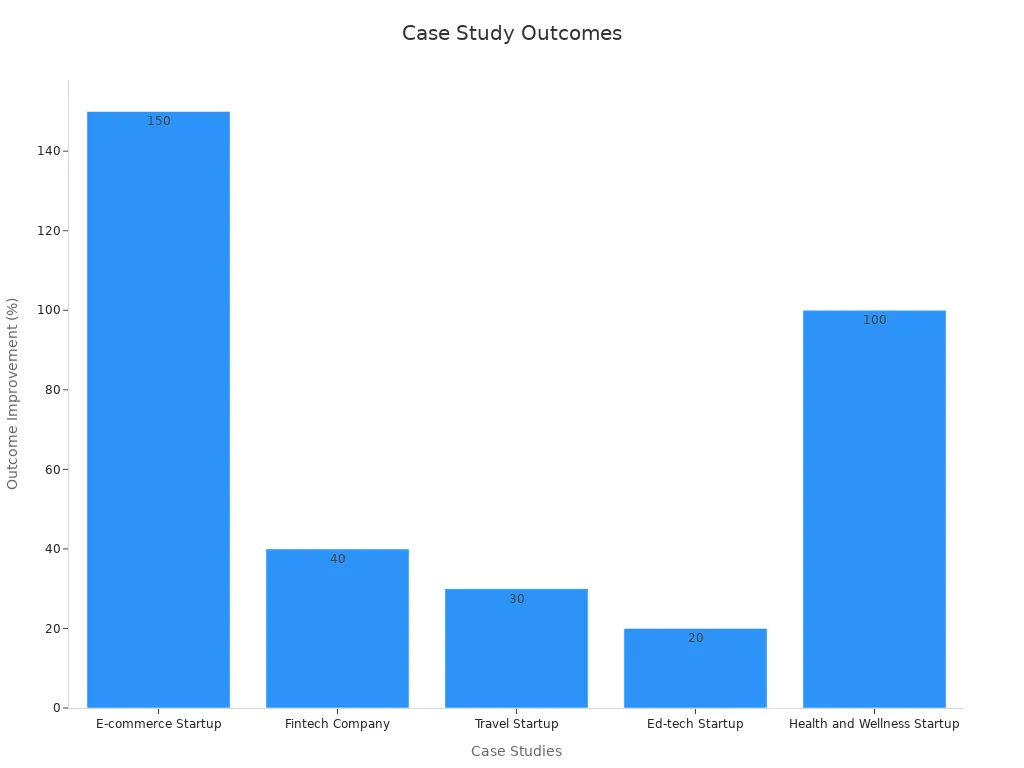
Case studies highlight how strategic resource allocation can drive results. For instance, an e-commerce startup prioritized organic search and paid social media, leading to a 150% increase in customer lifetime value within six months. Similarly, a fintech company shifted 30% of its budget to email marketing, boosting qualified leads by 40%.
Measuring ROI and Long-Term Impact
Measuring the return on investment (ROI) and long-term impact of private-domain traffic strategies is challenging but essential. You need to track metrics like customer lifetime value, retention rates, and conversion rates. These indicators help you evaluate the effectiveness of your efforts.
Brands that focus on personalized experiences often see higher ROI. For example, seasonal traffic adjustments and influencer collaborations have doubled referral traffic and increased bookings by 30%. By analyzing these results, you can refine your strategies and ensure sustainable growth.
Unifying data from multiple channels is key to accurate measurement. Real-time analytics tools can help you identify trends and optimize campaigns. When you measure ROI effectively, you gain insights that drive better decision-making and long-term success.
Private-domain traffic gives you the power to own your customer relationships. It allows you to create personalized experiences and build loyalty without relying on third-party platforms. This strategy not only reduces costs but also strengthens your brand's connection with its audience. By exploring private-domain traffic tailored to your business, you can unlock long-term growth and customer satisfaction. Start building your private channels today to stay ahead in the competitive market.
FAQ
What is the main advantage of private-domain traffic?
Private-domain traffic gives you full control over customer interactions. You own the platform and data, allowing you to create personalized experiences. This approach reduces costs and builds long-term customer loyalty.
How does private-domain traffic reduce marketing costs?
You save money by focusing on existing customers instead of paying for ads on third-party platforms. Direct engagement in private channels encourages repeat purchases, lowering customer acquisition costs.
Can small businesses benefit from private-domain traffic?
Yes! Small businesses can use tools like WeChat groups or brand apps to build loyal communities. These channels help you engage directly with customers, fostering trust and driving growth without large budgets.
Is private-domain traffic only effective in China?
No, while it’s popular in China, the concept works globally. Any business can use private channels like apps, email lists, or loyalty programs to engage customers and reduce reliance on public platforms.
How do you measure the success of private-domain traffic?
Track metrics like customer retention, lifetime value, and engagement rates. Tools like analytics dashboards help you monitor performance and refine your strategies for better results.
Tip: Focus on retention metrics to gauge the long-term impact of your efforts.
See Also
Understanding Personalization: Debunking Myths and Revealing Truths
Mastering Route Optimization: Algorithms That Enhance Delivery Speed
Essential Guide to Cross-Border Compliance: VAT and Customs
How TikTok’s Content Graph Drives Success for Retailers
Understanding Omnichannel and Multichannel: Major Differences Uncovered