
Prerequisites for Implementing Kappa Architecture
Key prerequisites for implementing Kappa Architecture include technical setup, scalable infrastructure, and organizational readiness for real-time data.
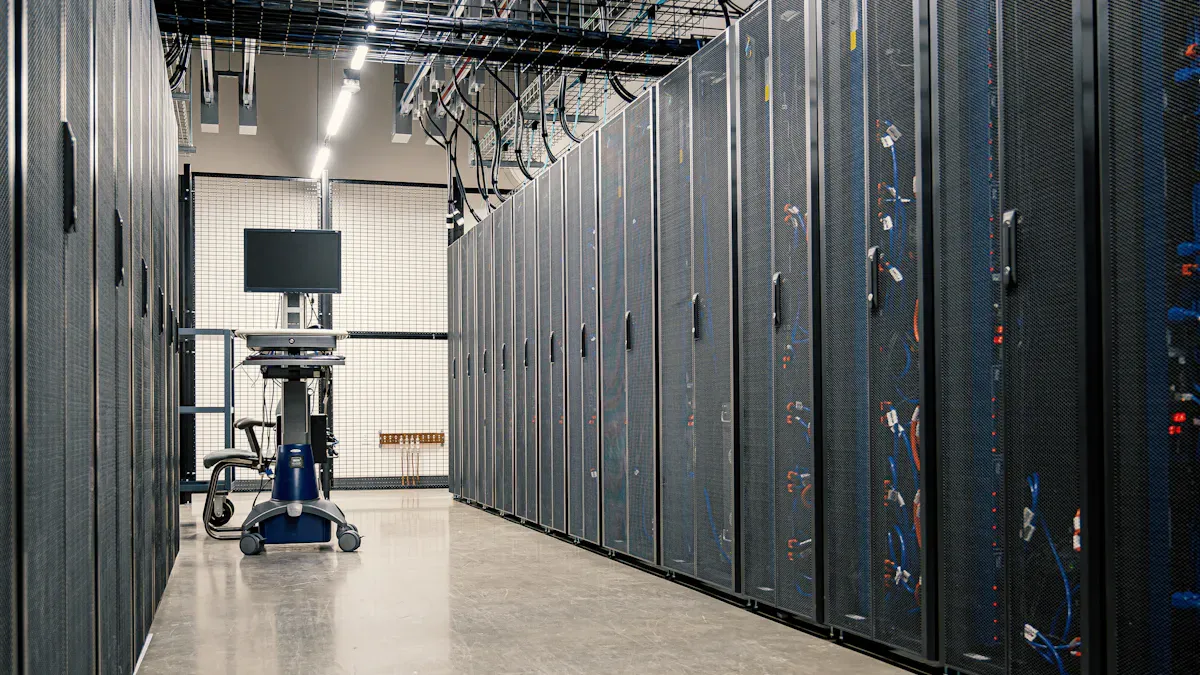
You need several prerequisites to start with Kappa Architecture. You must focus on three main areas: technical requirements, infrastructure readiness, and organizational preparation. Common challenges include setup complexity, high infrastructure costs, latency issues, and vulnerability to data loss. You also face debugging problems because stream processing never stops. To succeed, you should assess your readiness and plan practical steps before moving forward.
Key Takeaways
Assess your organization's readiness before implementing Kappa Architecture. Identify key business decisions that require real-time analytics.
Use an immutable log, like Apache Kafka, to maintain data integrity and support event reprocessing. This helps recover from errors effectively.
Implement a unified codebase for your data processing pipeline. This reduces complexity and lowers maintenance costs by avoiding separate batch and speed layers.
Focus on building a skilled team familiar with stream processing engines. Their expertise will help manage the complexities of Kappa Architecture.
Start with small pilot projects to test Kappa Architecture. Choose use cases that benefit from real-time analytics to demonstrate value.
Technical Requirements for Kappa Architecture

To build a strong foundation for Kappa Architecture, you need several technical components. Each plays a unique role in making your data pipeline reliable and efficient. The following table shows how these components interact in a typical setup:
Component | Description |
|---|---|
Data Source | Ingests data from real-time sources like IoT devices, application logs, or user interactions. |
Stream Processing Engine | Processes incoming data streams in real-time, performing filtering, transformation, and aggregation. |
Data Storage | Stores processed results in durable systems like NoSQL databases or distributed file systems. |
Serving Layer | Provides access to real-time analytics and applications relying on fresh data. |
Reprocessing/Replay Mechanism | Allows for event reprocessing by replaying past events from the original data stream. |
Immutable Log
You must use an immutable log as the source of truth in Kappa Architecture. Every event that enters your system is written to this log and stays unmodified. Apache Kafka is a popular technology for this purpose. The log keeps an original record of all data, so you can replay events and recover from errors. This approach helps you maintain data integrity and supports reliable reprocessing.
Stream Processing Engine
A stream processing engine lets you handle data in real time. You can filter, transform, and aggregate information as it arrives. Common engines include Apache Flink, Apache Spark Streaming, Amazon Kinesis, and Google Cloud Dataflow. These tools help you build applications that respond quickly to new data. You gain flexibility and speed by using a stream processing engine in your Kappa Architecture.
Event Sourcing
Event sourcing records every change as a new event. You store these events in your immutable log. This method improves reliability because you can replay historical data and update your logic or fix errors. Using Kafka as your main event store gives you scalability and high availability. You can create custom views or recover from mistakes by replaying events. Event sourcing makes your system more adaptable and dependable.
Tip: Event sourcing helps you track every action in your system. You can always go back and see what happened or fix problems by replaying events.
Idempotency
Idempotency means your system handles repeated events without causing errors or duplicating results. You must design your operations so that processing the same event multiple times does not change the outcome. This principle protects your data from accidental duplication and supports safe reprocessing. Idempotency is essential for reliable stream processing in Kappa Architecture.
Stateless Operations
Stateless operations do not depend on previous actions or stored session data. You process each event independently. This design makes your system easier to scale and manage. The following table shows the benefits of stateless operations:
Benefit | Explanation |
|---|---|
Scalability | You can scale horizontally without maintaining user sessions. |
Simplicity | Servers do not track state, so management is easier. |
Resilience | Server failures do not disrupt user sessions. |
Lower Memory Footprint | No session data frees up memory. |
Easier to Cache | Self-contained requests allow efficient caching. |
Stateless operations help you build a robust and scalable Kappa Architecture.
Unified Codebase
You should maintain a unified codebase for your data processing pipeline. Kappa Architecture uses a single stream processing path for both real-time and historical data. You avoid managing separate batch and speed layers. This approach reduces complexity and eliminates code duplication. You spend less time reconciling different implementations and lower your maintenance costs. A unified codebase makes your project easier to develop and operate.
Data Serialization
You need a consistent data serialization format to ensure data integrity. Common formats include Avro, JSON, and Protobuf. You must also develop a strategy for handling schema changes. Consistent serialization helps your system process and store data reliably. It supports compatibility between different components and prevents errors during reprocessing.
Note: Choosing the right serialization format and planning for schema changes will help you avoid data loss and maintain system stability.
By meeting these technical requirements, you prepare your organization for a successful Kappa Architecture implementation. You build a pipeline that is reliable, scalable, and easy to manage.
Infrastructure Needs

Scalable Storage
You need scalable storage to handle the large amount of data that flows through your system. In Kappa Architecture, you often deal with high-throughput data streams. You can use tiered storage solutions to manage this data efficiently. Store large volumes of data in a cost-effective distributed storage tier. Use faster storage for real-time data that needs quick access. This setup helps you save money and improve performance at the same time.
Description | |
|---|---|
A distributed, fault-tolerant log (like Apache Kafka) stores raw data and allows replay. | |
Stream Processing Engine | Reads data from the log and processes it in real time. |
Materialized Views/Serving Layer | Stores processed results for fast access and can be rebuilt as needed. |
Messaging Systems
You need a reliable messaging system to move data between components. These systems help you process data in real time and keep everything connected. Some popular choices include:
Apache Kafka: Handles high-throughput event streaming and supports large-scale systems.
Amazon Kinesis: A managed service on AWS for collecting and analyzing streaming data.
Google Cloud Pub/Sub: Sends and receives messages between different applications with high reliability.
Choose a messaging system that fits your needs and supports your data flow.
Monitoring Tools
Monitoring tools help you keep track of your system’s health. You can spot problems early and fix them before they grow. Application Performance Monitoring (APM) tools like Datadog and Splunk give you real-time insights. They show you how your data flows, where delays happen, and if any part of your system fails. Good monitoring keeps your Kappa Architecture running smoothly.
Security and Compliance
You must protect your data and follow industry rules. Use encryption to keep data safe as it moves and when it is stored. Set up access controls so only the right people can see or change data. Regular audits help you find and fix security gaps. Meeting compliance standards builds trust and keeps your organization safe.
Organizational Readiness
Team Expertise
You need a team with the right skills to succeed with Kappa Architecture. Your team should understand distributed systems and know how to process data in real time. They must feel comfortable using stream processing engines. Managing complexity is also important. The table below shows the main skill areas your team should cover:
Skill Area | Description |
|---|---|
Distributed Systems | Manage and operate computing across many machines. |
Real-time Data Processing | Work with data as it arrives to get quick insights. |
Stream Processing Engines | Use tools that handle continuous streams of data. |
Complexity Management | Handle the challenges that come with Kappa Architecture. |
If your team already knows stream processing, you can move faster. You can also train your team or hire new people to fill gaps.
DevOps Alignment
You should align your DevOps practices with the needs of Kappa Architecture. Set up automated deployment pipelines for your data applications. Use monitoring tools to track system health and performance. Make sure your team can respond quickly to problems. Good DevOps practices help you keep your system running smoothly and make changes safely.
Tip: Start with small automation steps. Add more as your team gains confidence.
Change Management
You must prepare your organization for a shift in mindset. Kappa Architecture focuses on continuous data streams, not batch processing. This change can feel big, so you need to guide your team through it. The table below highlights common organizational changes:
Change Required | Description |
|---|---|
Shift in Mindset | Focus on continuous streams instead of batches. |
Expertise in Stream Processing | Build skills to manage and use data streams. |
Simplified Migrations and Reorganizations | Make transitions easier with a single processing pipeline. |
You should communicate the benefits clearly. Involve all stakeholders early. Support your team as they learn new ways of working.
Leveraging your team’s existing skills can make the transition smoother.
By preparing your team, aligning your processes, and managing change well, you set your organization up for success with Kappa Architecture.
Kappa Architecture Best Practices
Assessing Readiness
You should check if your organization is ready before starting with Kappa Architecture. Start by identifying important business decisions that need real-time analytics. Make sure your leaders understand the value and support the change. Set up data governance rules to keep your data clean and safe. Review how your teams respond to alerts and changes. Build data quality checks and access controls into your system from the beginning. Align leaders from different teams to help everyone move in the same direction.
Define high-impact business decisions for real-time analytics.
Set up data governance for real-time quality.
Check how teams respond to alerts.
Add governance, data validation, and access controls early.
Align executive leadership for smooth transformation.
Tip: Honest self-assessment helps you avoid problems later.
Pilot Projects
You can start with a small pilot project to test Kappa Architecture. Choose a project where real-time analytics matter, like fraud detection or IoT data processing. Use a strong event log, such as Apache Kafka, to store your data. Pick a stream processing engine that can handle lots of data and replay events, like Apache Flink or Spark Streaming. Make sure you keep data long enough for reprocessing. Design your data streams to give the same results every time you replay them. A single processing path makes your system easier to manage and grow.
Focus on real-time analytics use cases.
Use a durable, append-only event log.
Pick a stream processing engine for high-throughput replays.
Set clear data retention policies.
Design deterministic data streams.
Keep processing logic unified.
Continuous Improvement
You should always look for ways to improve your Kappa Architecture setup. Review your system often to find weak spots. Train your team on new tools and methods. Update your data governance rules as your needs change. Listen to feedback from users and adjust your processes. Small changes over time help you stay ahead and keep your system strong.
Note: Continuous learning and adaptation keep your architecture reliable and effective.
You need to prepare your team, infrastructure, and processes before you start with Kappa Architecture. Strong readiness helps you avoid common mistakes and build a reliable system. Many organizations use real-time analytics, fraud detection, and IoT data processing to show the value of this approach. You can measure your progress with metrics like pipeline reliability, data quality, and business impact.
Metric Category | Key Indicators |
|---|---|
Platform Health Metrics | pipeline reliability, data freshness, query performance, recovery time |
Data Trust Metrics | data quality scores, lineage completeness, policy compliance |
Business Impact Metrics | time-to-insight, automation, cost reduction, improved outcomes |
You can use tools like Kafka, Flink, and Cassandra to improve your readiness. Keep checking your system and update your practices as you learn more.
FAQ
What is the main difference between Kappa and Lambda Architecture?
You use Kappa Architecture for real-time data processing with a single pipeline. Lambda Architecture uses separate batch and speed layers. Kappa reduces complexity and makes maintenance easier.
Do you need Apache Kafka to implement Kappa Architecture?
You do not need Apache Kafka, but it helps. Kafka provides an immutable log and supports event replay. You can use other tools if they offer similar features.
How do you handle schema changes in Kappa Architecture?
You should use a consistent serialization format like Avro or Protobuf. Plan for schema evolution by versioning your schemas. This prevents data loss and keeps your system stable.
Can small teams adopt Kappa Architecture?
Small teams can adopt Kappa Architecture. You start with pilot projects and build skills over time. Focus on simple use cases and grow your expertise step by step.
See Also
Navigating the Complexities of Dual Pipelines in Lambda
Exploring Key Components of Big Data Architecture
Real-World Examples of Big Data Architecture Success