How the Medallion Model Powers Real-Time Retail Analytics
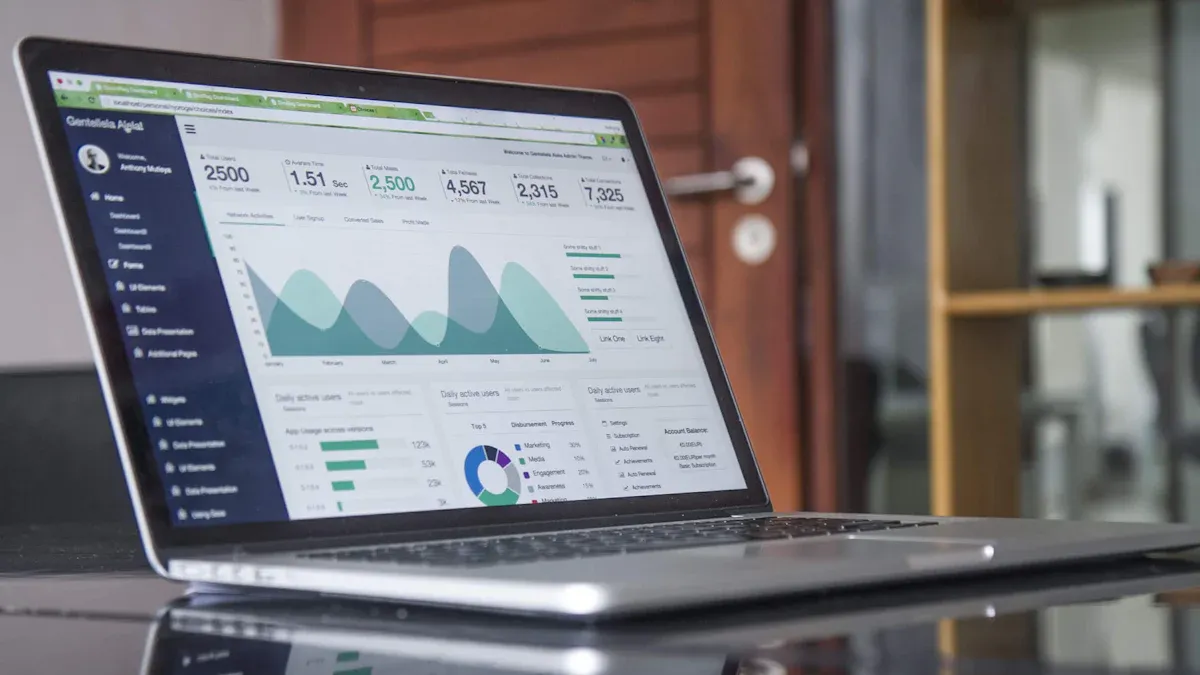
You can boost real-time retail analytics by using the Medallion Model. This layered approach helps you manage and transform retail data for accurate insights. The Medallion Model structures data into bronze, silver, and gold layers. Each layer improves speed and accuracy in analytics. For example, Instacart reduced launch times, cut maintenance work, and grew its retail partners quickly.
You get scalable growth.
You see trusted insights from diverse data sources.
You experience less maintenance and faster results.
Key Takeaways
The Medallion Model organizes retail data into three layers: Bronze, Silver, and Gold. This structure improves data quality and speeds up analytics.
Real-time insights are achievable with the Medallion Model. It allows for quick data capture and processing, helping retailers make timely decisions.
Using the Medallion Model enhances customer engagement. It enables personalized marketing by analyzing customer behavior and preferences.
The model supports scalability. Retailers can handle growing data volumes without sacrificing quality, ensuring efficient operations.
Implementing best practices in data governance is crucial. The Medallion Model provides control and flexibility, allowing businesses to adapt to changing needs.
Medallion Model Overview

Structure and Layers
You can understand the Medallion Model by looking at its three main layers. Each layer has a clear job in the data journey. The Bronze layer collects raw data from many sources. The Silver layer cleans and organizes this data. The Gold layer prepares the data for business use, making it ready for reports and analysis.
Here is a simple table that shows how each layer works in retail:
Layer | Description | Use Case Example |
|---|---|---|
Bronze | The foundational stage for raw, unprocessed data from various sources. | Raw customer interaction logs and clickstream data from an e-commerce website. |
Silver | Data that has undergone standard transformation and cleaning procedures for better usability. | Cleaned and normalized data about user behavior, such as deduplicated customer purchase histories. |
Gold | The final tier where data is fully refined, aggregated, and contextualized for business applications. | Aggregated reports showing sales trends and customer segmentation analysis for an e-commerce company. |
This structure lets you move data step by step. You start with raw information, then clean it, and finally use it for smart decisions.
Relevance to Retail Analytics
You face many challenges in retail analytics. The Medallion Model helps you solve these problems by organizing your data. You get better customer insights and can personalize your marketing. You keep your inventory up to date and forecast sales more accurately. You spot fraud faster and run your operations more smoothly.
Customer insights and personalization
Inventory management
Sales forecasting
Fraud detection
Operational efficiency
You also benefit from real-time analytics. The Medallion Model works faster than other data architectures. You get business-ready data quickly. You can track where your data comes from and keep it safe. This structure protects your important information and helps you make decisions with confidence.
Tip: Using the Medallion Model in platforms like Azure Synapse Analytics can boost your real-time retail analytics even more.
Medallion Model Layers
Bronze: Raw Data Ingestion
You start your data journey in the Bronze layer. This layer collects raw data from many retail sources. You see data arrive in different formats, such as logs, JSON, CSV, and EDI files. The Bronze layer stores this information without changes, so you keep every detail for future use.
Here is a table showing common types of raw retail data you might ingest:
Type of Data | Description |
|---|---|
Log Data | Incoming log data from external systems like ERP and point of sale systems. |
JSON Feeds | Raw JSON feeds from supplier WMS systems. |
CSV Exports | CSV exports from ERP containing purchase order data. |
EDI Logs | EDI logs from carriers. |
You need to follow best practices to keep your data safe and organized:
Assess data characteristics to choose the right model.
Optimize for scalability with smart storage and partitioning.
Manage metadata for easy discovery and traceability.
Implement security measures like encryption and access controls.
Plan data retention with clear storage policies.
The Bronze layer supports time series data, such as transactions and inventory changes. You can track every event as it happens. The Medallion Model uses ACID transactions to keep your data consistent and reliable, even when many users access it at once.
Tip: You can use metadata catalogs to find and trace your data quickly.
Silver: Data Cleansing and Integration
You move your data to the Silver layer after ingestion. Here, you clean and organize your retail data. You fix errors, remove duplicates, and standardize formats. You also enrich your data with extra details from other sources.
This table shows key data cleansing techniques you use in the Silver layer:
Technique | Description |
|---|---|
Handling Missing Data | Imputation, deletion, and flagging to address incomplete data. |
Dealing with Duplicates | Exact deduplication and fuzzy matching to remove or identify duplicate records. |
Data Standardization | Consistent formats across datasets, including date formats and units of measurement. |
Outlier Detection | Identifying and treating outliers using statistical methods like Z-score and IQR. |
Data Validation | Ensures data follows rules and relationships, including referential integrity and range checks. |
Data Enrichment | Adds information from external sources. |
Automation of Data Cleaning | Uses ETL pipelines and rules to automate cleaning for efficiency. |
You integrate data from many retail systems in the Silver layer. You process and feature-engineer tables for analytics and AI. You refine, clean, and transform data to make it consistent and usable. This integration creates a unified dataset that you can use across your company.
The Silver layer also supports ACID compliance. You get reliable data for analysis, even when you process large volumes or use streaming and batch patterns. You can audit and roll back changes with time travel features.
Note: Automated cleaning saves you time and reduces errors.
Gold: Curated Analytics-Ready Data
You reach the Gold layer when your data is ready for business use. You see fully cleaned, transformed, and aggregated data. The Gold layer gives you high-quality information for reporting, KPI tracking, and advanced analytics.
You use these criteria to decide when data moves from Silver to Gold:
Criteria | Description |
|---|---|
Shared Definitions | Unified definitions of key entities, such as customers and products. |
Important KPIs | Critical KPIs and calculation methods for consistency across the company. |
Governance | Rules to maintain definitions and calculations across the organization. |
The Gold layer supports advanced analytics and reporting. You get business-ready data for dashboards, machine learning, and business intelligence. You can create data marts for different departments, so each team gets the insights they need.
Here is a table showing how the Gold layer helps your retail analytics:
Evidence Type | Description |
|---|---|
High Quality and Usability | Data is fully cleaned, transformed, and aggregated for accuracy and relevance. |
Business-Ready Data | Structured for reporting, KPI tracking, machine learning, and business intelligence. |
Data Marts | Specialized datasets for different business units, enhancing targeted analytics. |
The Medallion Model ensures ACID transactions in every layer. You get consistent, durable, and reliable data, even with many users and real-time updates. You can audit changes and roll back data when needed. This architecture supports both streaming and batch processing, so you handle time series data like sales and inventory with confidence.
Callout: The Gold layer lets you build trusted reports and run predictive models for your retail business.
Benefits for Retail Analytics
Data Quality and Consistency
You want your retail analytics to rely on accurate and consistent data. The Medallion Model helps you achieve this by organizing information into three layers: Bronze, Silver, and Gold. As data moves through each layer, you see improvements in quality. The Bronze layer holds raw data, the Silver layer cleans and transforms it, and the Gold layer prepares it for business use. This step-by-step process reduces complexity and makes your data more reliable. You can trust your insights because each layer serves a clear purpose in refining information. When you use this structure, you can spot errors early and fix them before they affect your reports.
Data cleaning ensures accuracy.
Compliance checks maintain integrity.
You can make better decisions and run your operations smoothly when your data is clean and consistent.
Real-Time Insights and Scalability
You need fast answers in retail. The Medallion Model supports near-real-time data capture and processing. In the Bronze layer, you collect data quickly using streams or change data capture. The Silver layer transforms data in micro-batches or streams, keeping it fresh for analysis. The Gold layer creates materialized views that help you make decisions in seconds.
Layer | Description |
|---|---|
Bronze | Captures data almost instantly from retail systems. |
Silver | Processes and transforms data with short delays. |
Gold | Optimizes data for quick queries and sub-second insights. |
You can scale your analytics as your business grows. The layered approach lets you handle large volumes of data without losing quality. You organize, store, and analyze information efficiently. This structure helps you keep up with more users and bigger datasets.
Supports growing data volumes.
Maintains high data quality.
Drives better insights as your business expands.
Governance and Flexibility
You want your data to be well-governed and adaptable. The Medallion Model gives you control at every stage. Each layer checks data quality before moving to the next. You can track changes and audit your data with time travel and versioning features. This makes it easier to follow rules and meet compliance standards.
Feature | Description |
|---|---|
Data Quality Management | Ensures quality at each layer. |
Enhanced Governance | Simplifies compliance and oversight. |
Improved Data Lineage | Lets you trace data transformations and history. |
You also get flexibility for changing business needs. The layered structure lets you improve and adapt your analytics over time. You can integrate new data sources and support different models. This helps you meet the needs of many teams and respond to new challenges.
You can trust your analytics and adjust quickly as your retail business evolves.
Real-Time Retail Use Cases
Sales and Transaction Analytics
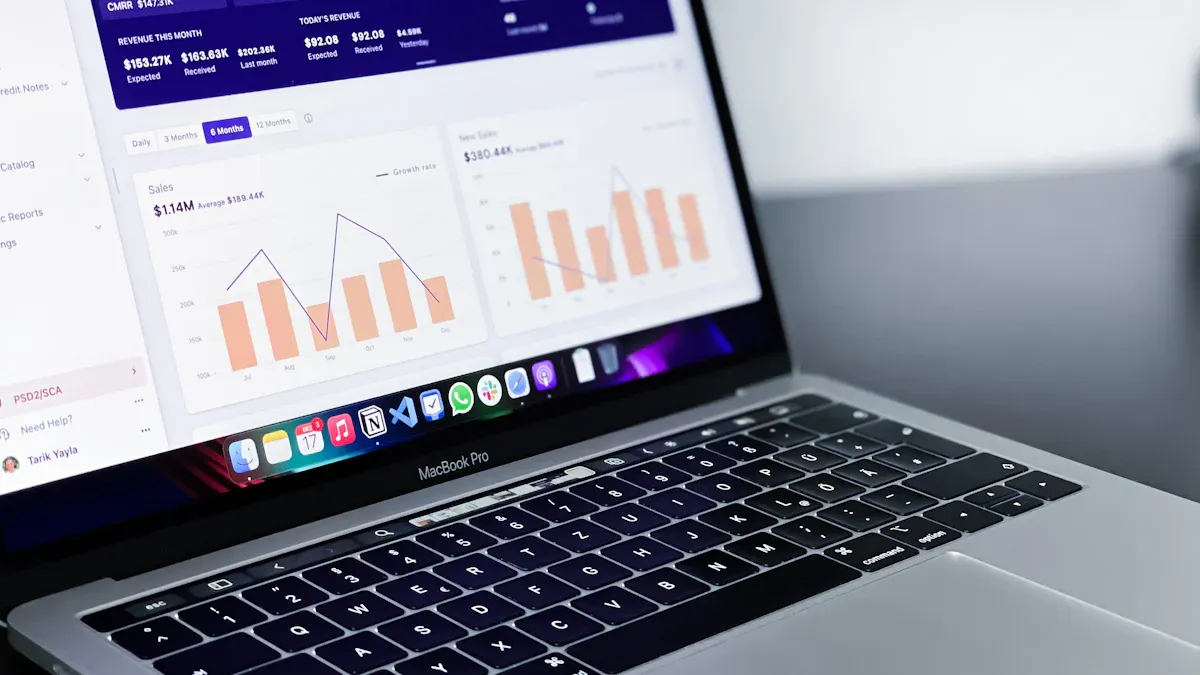
You can track sales and transactions in real time with the Medallion Model. The Bronze layer collects raw data from point-of-sale systems and online stores. The Silver layer cleans and organizes this data, removing errors and duplicates. The Gold layer gives you dashboards that update every 30 seconds. You see revenue, customer acquisition costs, and inventory levels across all your stores.
You adjust prices for thousands of products in many countries based on local demand and competitor prices.
You monitor sales trends and spot changes quickly.
You use real-time data to make decisions that boost profits.
You get a clear view of your business and respond to market changes faster.
Inventory Optimization
You keep your shelves stocked and avoid waste with the Medallion Model. The Bronze layer gathers data from warehouses and stores. The Silver layer cleans and matches this data, making it easy to track products. The Gold layer shows you a complete inventory picture, so you know what to order and when.
Benefit | Description |
|---|---|
Reduction in Overstock/Stockouts | Retailers using predictive analytics have reported up to 30% reductions in both overstock and stockouts. |
Cost Savings | Aligning inventory with actual demand cuts down on storage costs and improves supply chain efficiency. |
Happier Customers | Properly stocked shelves lead to higher customer satisfaction and brand loyalty. |
Faster Trend Response | Predictive analytics can detect emerging trends, allowing quick adjustments to inventory. |
Personalized Assortment | Tailoring assortments to local preferences improves relevance and reduces waste. |
You save money and keep customers happy by using data to guide your inventory choices.
Marketing and Customer Engagement
You reach your customers with the right message at the right time. The Bronze layer collects data from social media, loyalty programs, and website visits. The Silver layer cleans and combines this data, building a full profile of each customer. The Gold layer helps you create targeted campaigns and measure their success.
You personalize offers based on shopping habits.
You track how customers respond to promotions.
You improve engagement and build loyalty with timely communication.
You use real-time insights to connect with customers and grow your brand.
You solve retail analytics challenges with the Medallion Model. You see low latency, high availability, and cost-effective insights at scale. You improve data quality at every stage and gain real-time data availability. To get started, choose high-value decisions, set up workspaces, and build out Bronze and Silver layers. You design Gold data marts and prepare for scale. For more details, explore resources on understanding the Medallion structure in data architecture.
FAQ
What is the main benefit of using the Medallion Model in retail analytics?
You organize your data into layers. This structure helps you clean, manage, and use information quickly. You get faster insights and better decisions for your retail business.
How does the Medallion Model handle real-time data?
You capture and process data as it arrives. The Bronze layer ingests raw data instantly. The Silver and Gold layers clean and prepare it for analysis. You see updates in near real time.
Tip: Use streaming tools to keep your data fresh and up to date.
Can you use the Medallion Model with cloud platforms?
You can use the Medallion Model with cloud platforms like Azure, AWS, and Google Cloud. These platforms support scalable storage and processing. You get flexibility and easy integration with your existing systems.
Platform | Supports Medallion Model | Scalability | Integration |
|---|---|---|---|
Azure | ✅ | High | Easy |
AWS | ✅ | High | Easy |
Google Cloud | ✅ | High | Easy |
How do you keep your data secure in the Medallion Model?
You set up access controls and encryption at each layer. You monitor changes and audit your data. This approach protects sensitive information and helps you meet compliance standards.
See Also
Effective Basket Analysis Strategies for Retail Data Teams
Learning from Data-Driven Retail: Insights on Consumption Trends
Revolutionizing Retail Shopping Through Artificial Intelligence Innovations