
IoT Sensors vs. Camera Analytics: Which Display KPI Matters?
Compare IoT sensors and camera analytics to determine which technology delivers the KPIs you need, balancing accuracy, cost, scalability, and privacy concerns.
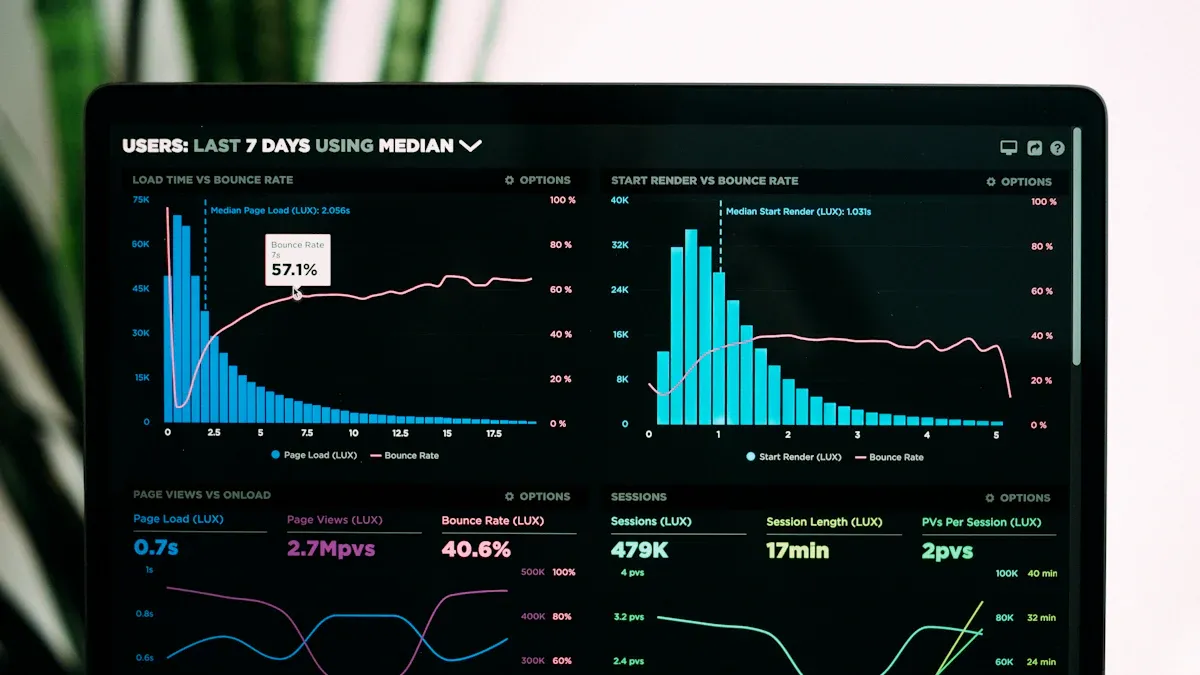
When it comes to choosing between IoT sensors and camera analytics, the right decision depends on what you need. IoT sensors excel at collecting precise, real-time data from the environment, while camera analytics shine at interpreting visual information. But here’s the catch—neither is a one-size-fits-all solution. You’ll need to consider technical factors like accuracy, operational concerns such as cost, and even practical issues like privacy. By understanding these aspects, you can confidently pick the technology that delivers the KPIs that matter most to you.
Key Takeaways
IoT sensors give accurate, real-time data but need many devices for big spaces. They are great for tracking things like temperature or movement.
Camera analytics give more general information and cover large areas with fewer devices. They are cheaper for businesses wanting to collect more data.
Think about installation costs. Adding analytics software to old cameras can cost less than setting up many IoT sensors.
Saving energy is important. Cameras usually use less power over time, which helps save money and the environment.
Always protect privacy. Be clear about collecting data and use encryption to keep it safe.
Technical Comparison: IoT Sensors vs. Camera Analytics
Data Accuracy and Reliability
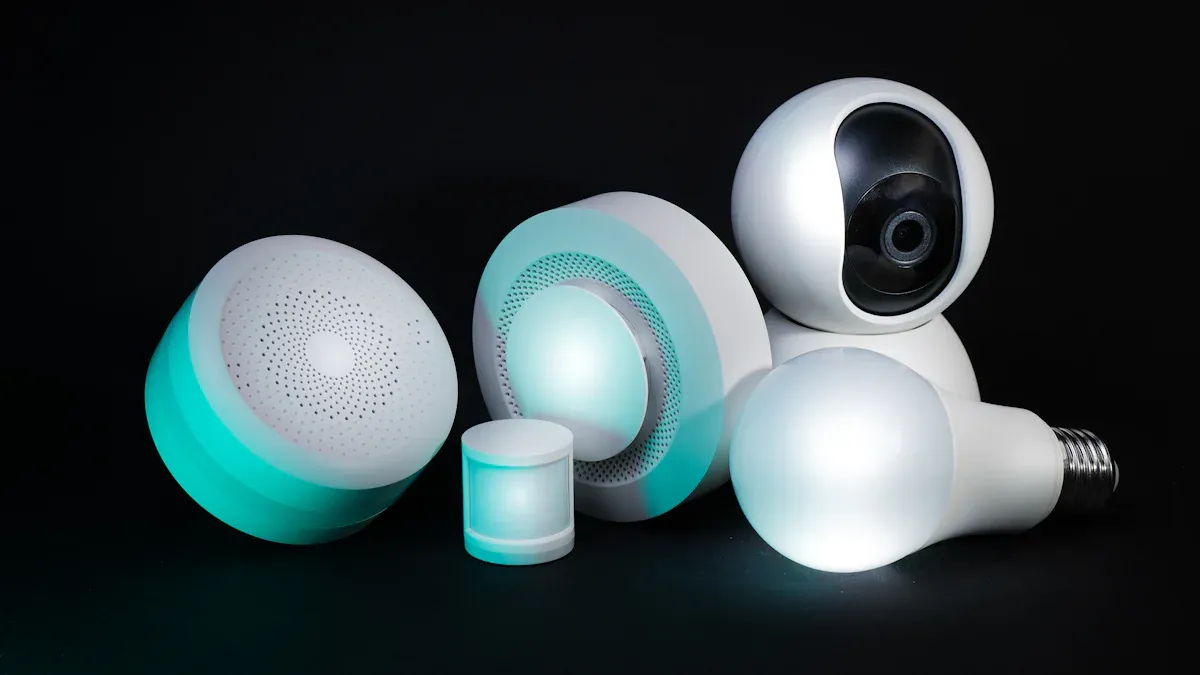
When it comes to accuracy, IoT sensors are like precision tools. They measure specific properties—temperature, humidity, or motion—with pinpoint reliability. This makes them ideal for applications where exact data matters, like monitoring equipment performance or tracking environmental changes. However, they’re limited to the units they’re installed on, meaning you’ll need multiple sensors to cover a large area.
Camera analytics, on the other hand, offer a broader perspective. They capture visual data and use algorithms to interpret patterns, behaviors, or anomalies. For example, a single camera can monitor foot traffic in a retail store or detect suspicious activity in a parking lot. But here’s the catch: cameras rely on their line of sight. If something blocks the view, the data becomes incomplete.
Category | IoT Sensors | Camera Analytics |
|---|---|---|
Sensor/Equipment Ratio | Limited to the units they are installed on; cannot cover all objects. | Can cover large areas with fewer cameras, providing comprehensive views. |
Data Points/Sensor Ratio | Typically capture a single property; limited data collection. | Can capture extensive data with advanced algorithms, but limited by line of sight. |
Scalability and Flexibility
IoT sensors shine when you need to scale up operations. Adding more sensors to a system is straightforward, and they can be tailored to specific needs. For example, you can deploy sensors to measure traffic flow on multiple routes or monitor the temperature in different sections of a warehouse. But scaling comes with a cost. Each sensor adds to the installation expense, and maintaining them can be a hassle.
Camera analytics offer flexibility in a different way. A single camera can cover a wide area, reducing the need for additional equipment. Plus, if you already have cameras installed, you can upgrade them with analytics software to unlock new capabilities. This makes cameras a cost-effective option for businesses looking to expand their data collection without investing in new hardware.
Category | IoT Sensors | Camera Analytics |
|---|---|---|
High due to the need for many sensors for multiple units. | Lower, as existing camera infrastructure can be utilized. | |
Maintenance and Operational Costs | Prone to damage, requiring repairs and battery replacements. | Minimal maintenance required, can operate continuously for years. |
Energy Efficiency
Energy consumption is a big deal, especially if you’re running a large-scale operation. IoT sensors typically require constant power, either from batteries or electric networks. While this ensures consistent performance, it also means frequent battery replacements or higher electricity bills.
Cameras, surprisingly, are more energy-efficient. Once installed, they can operate for years without much maintenance. Empirical data shows that systems with camera sensors consume less energy over time compared to those without. This makes cameras a greener choice for businesses aiming to reduce their carbon footprint.
Case | Initial Voltage (V) | Final Voltage (V) | Total Consumption (V) | Consumption Rate (V/hour) |
|---|---|---|---|---|
With Camera Sensor | 11.81 | 4.31 | 1.25 | |
Without Camera Sensor | 11.86 | 6.28 | 5.58 | 0.93 |
💡 Tip: If energy efficiency is your top priority, camera analytics might be the better choice for long-term savings.
Business and Operational Factors
Installation Costs
When deciding between IoT sensors and camera analytics, installation costs play a big role. IoT sensors often require multiple devices to cover a large area. For example, if you’re monitoring temperature across a warehouse, you’ll need several sensors placed strategically. This can quickly add up in terms of hardware and labor costs.
Camera analytics, on the other hand, can be more budget-friendly. A single camera can monitor a wide area, reducing the need for additional equipment. If you already have cameras installed, you can simply upgrade them with analytics software. This makes cameras a cost-effective option for businesses looking to maximize their existing infrastructure.
💡 Tip: If you’re working with a tight budget, consider leveraging existing camera systems to save on installation costs.
Maintenance and Longevity
Maintenance is another critical factor to think about. IoT sensors often require regular upkeep, like battery replacements or repairs. Over time, this can increase operational costs. Cameras, however, tend to be more durable and need less frequent maintenance.
Let’s break it down further:
Aspect | Preventive Maintenance | Predictive Maintenance |
|---|---|---|
Basis for Maintenance | Time or Usage Intervals | Real-Time Condition Monitoring and Analysis |
Frequency | Regular, Fixed Schedule | As Needed, Based on Data Insights |
Costs | Lower Initial Costs, Higher Cumulative Costs | Higher Initial Investment, Lower Long-Term Costs |
Downtime | May Require Equipment Stoppage | Often Avoids Downtime by Scheduling During Low-Impact Periods |
Efficiency | May Result in Unnecessary Maintenance | Targets Specific Issues, Optimizing Resources |
Predictive maintenance, which is often easier to implement with camera analytics, can save you time and money. It reduces downtime by up to 45% and increases production capacity by as much as 25%. Plus, it’s more cost-effective in the long run, saving 30% to 40% compared to reactive maintenance.
🔧 Note: While IoT sensors might have higher maintenance needs, they’re still a great choice for applications requiring precise, real-time data.
User Behavior Insights
Understanding how people interact with your space or product is key to making informed decisions. IoT sensors can provide specific data points, like how often a door opens or how many people pass through a hallway. This data is precise but limited to the sensor’s function.
Camera analytics, however, offer a broader view. They can analyze patterns, such as customer movement in a store or employee activity in an office. With advanced algorithms, cameras can even predict behaviors, helping you optimize layouts or improve safety.
For example, a retail store could use camera analytics to identify high-traffic areas and adjust product placement to boost sales. Meanwhile, IoT sensors might track environmental factors like temperature or humidity to ensure product quality.
📊 Insight: If you’re looking for detailed behavioral insights, camera analytics might be your best bet. But if you need specific environmental data, IoT sensors are the way to go.
Practical Considerations
Deployment and Integration
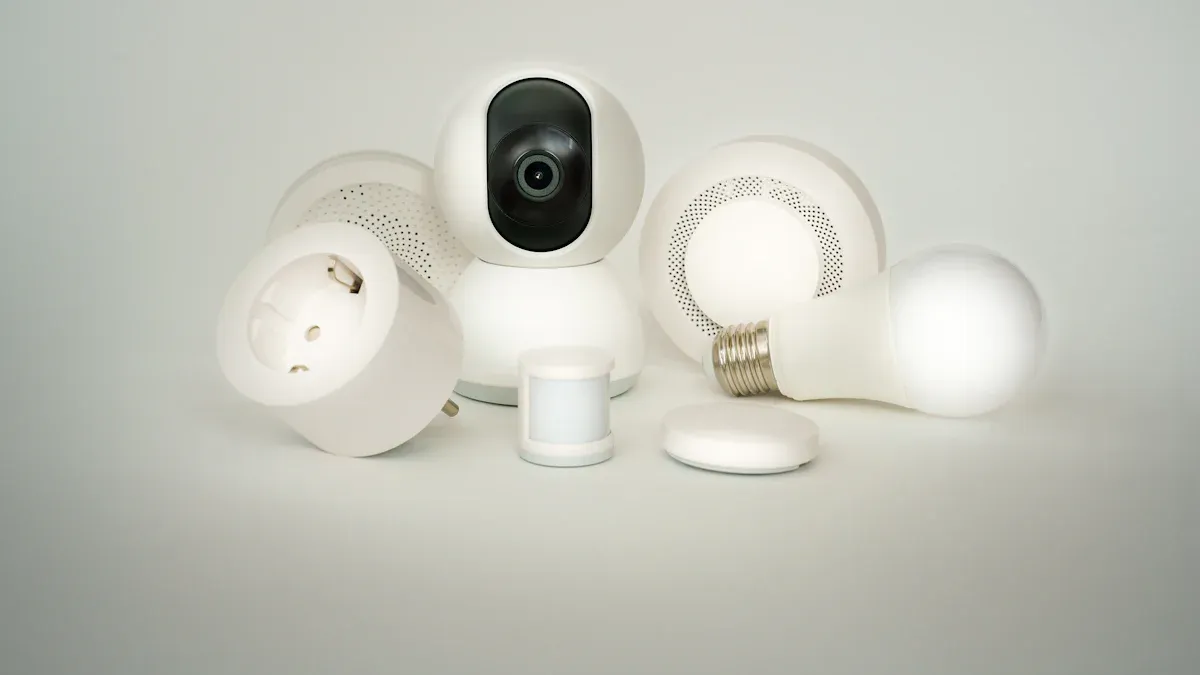
When it comes to deploying IoT sensors or camera analytics, integration can be tricky. You’ll need to ensure that all devices communicate seamlessly with each other and with your existing systems. For example, IoT sensors can track traffic flow or monitor air quality, but they need to integrate with other data sources to provide actionable insights. Similarly, camera analytics can enhance security by detecting breaches in real-time, but only if the system supports smooth data sharing.
Here’s a quick look at common deployment scenarios and their challenges:
Deployment Scenario | Description | Integration Challenge |
|---|---|---|
Predictive Maintenance | IoT sensors and cameras provide insights into equipment status for maintenance staff. | Proper alert messaging relies on effective data integration. |
IoT systems track asset locations and temperatures in shipping, aiding smart inventory management. | Integration with ERP or inventory management systems is crucial. | |
Remote Healthcare Monitoring | Wearable devices monitor patients' vitals and report to healthcare providers. | A data integration strategy is needed for electronic medical records. |
Security Alerts | IoT cameras and sensors monitor security and alert staff to breaches in real-time. | A good data integration strategy is essential for timely alerts. |
💡 Tip: Use middleware or standardized APIs to bridge gaps between devices and improve system performance.
Regulatory Implications
Regulations can make or break your deployment plans. IoT sensors and camera analytics often operate across regions with different rules. For example, data privacy laws govern how you collect and store personal information. If you’re in healthcare or manufacturing, you’ll also need to follow industry-specific regulations.
Here’s a breakdown of key regulatory areas:
Regulation Type | Description |
|---|---|
Data Privacy | Concerns the collection, processing, and storage of personal data generated by devices. |
Industry Specific | Varies by industry; healthcare and manufacturing have different operational regulations. |
Wireless Spectrum | Regulations that govern the use of wireless communication protocols based on geographical areas. |
To stay compliant:
Establish clear policies for data ownership and access control.
Conduct regular compliance audits and monitor legal updates.
⚠️ Note: Ignoring regulations can lead to hefty fines or legal issues. Always stay updated on the latest rules.
Privacy Concerns
Privacy is a hot topic, especially when you’re dealing with camera analytics or IoT sensors. Cameras can capture sensitive visual data, while IoT devices often collect personal information like location or health stats. This raises questions about who owns the data and how it’s used.
To address privacy concerns:
Be transparent about what data you’re collecting and why.
Use encryption to protect sensitive information.
Limit access to data through strict access controls.
🔒 Insight: Building trust with users starts with respecting their privacy. Make sure your systems are secure and your policies are clear.
Choosing between IoT sensors and camera analytics boils down to your priorities. If you value precise, real-time data, IoT sensors are your go-to. For broader insights and cost-effective scalability, camera analytics take the lead.
💡 Key Takeaway: Think about what matters most—accuracy, budget, or flexibility.
Still unsure? Here’s a quick guide:
Low budget? Upgrade existing cameras with analytics software.
Need precision? Deploy IoT sensors for specific metrics.
Want scalability? Cameras cover more ground with fewer devices.
By focusing on your goals, you’ll pick the right tool to track the KPIs that truly matter.
FAQ
What are the main differences between IoT sensors and camera analytics?
IoT sensors collect specific data like temperature or motion. Camera analytics interpret visual data to identify patterns or behaviors. Sensors are precise but limited to their function. Cameras provide broader insights but depend on their line of sight.
💡 Tip: Choose based on whether you need detailed metrics or a wider perspective.
Can I use both IoT sensors and camera analytics together?
Absolutely! Combining both technologies can give you the best of both worlds. For example, sensors can track environmental conditions, while cameras analyze user behavior. Together, they provide a more comprehensive understanding of your operations.
Are IoT sensors or cameras better for privacy concerns?
IoT sensors usually collect less personal data, making them less intrusive. Cameras, however, capture visual information, which can raise privacy issues. To address this, use encryption and limit access to sensitive data.
🔒 Insight: Always inform users about data collection practices to build trust.
Which option is more cost-effective for small businesses?
If you’re on a tight budget, upgrading existing cameras with analytics software is a smart move. It’s cheaper than installing multiple IoT sensors. However, if you need precise data, investing in a few key sensors might be worth it.
How do I decide which technology suits my needs?
Start by identifying your priorities. Do you need precise, real-time data? Go for IoT sensors. Want broader insights or scalability? Camera analytics might be better. Think about your budget, goals, and the type of data you need.
📊 Key Takeaway: Match the technology to your specific use case for the best results.
See Also
Utilizing Heatmaps for A/B Testing Retail Shelf Designs
Creating Funnel Reports to Analyze Purchase Drop-Off Rates
User Behavior Insights Using SQL and BI Techniques Simplified
Establishing Stage-Gate Processes for Data-Driven Product Launches