

The challenges of running 3 analytics engines
Running 3 analytics engines creates data silos, higher costs, and metric misalignment. Find solutions for integration, performance, and collaboration.
1 min read
Running 3 analytics engines creates data silos, higher costs, and metric misalignment. Find solutions for integration, performance, and collaboration.
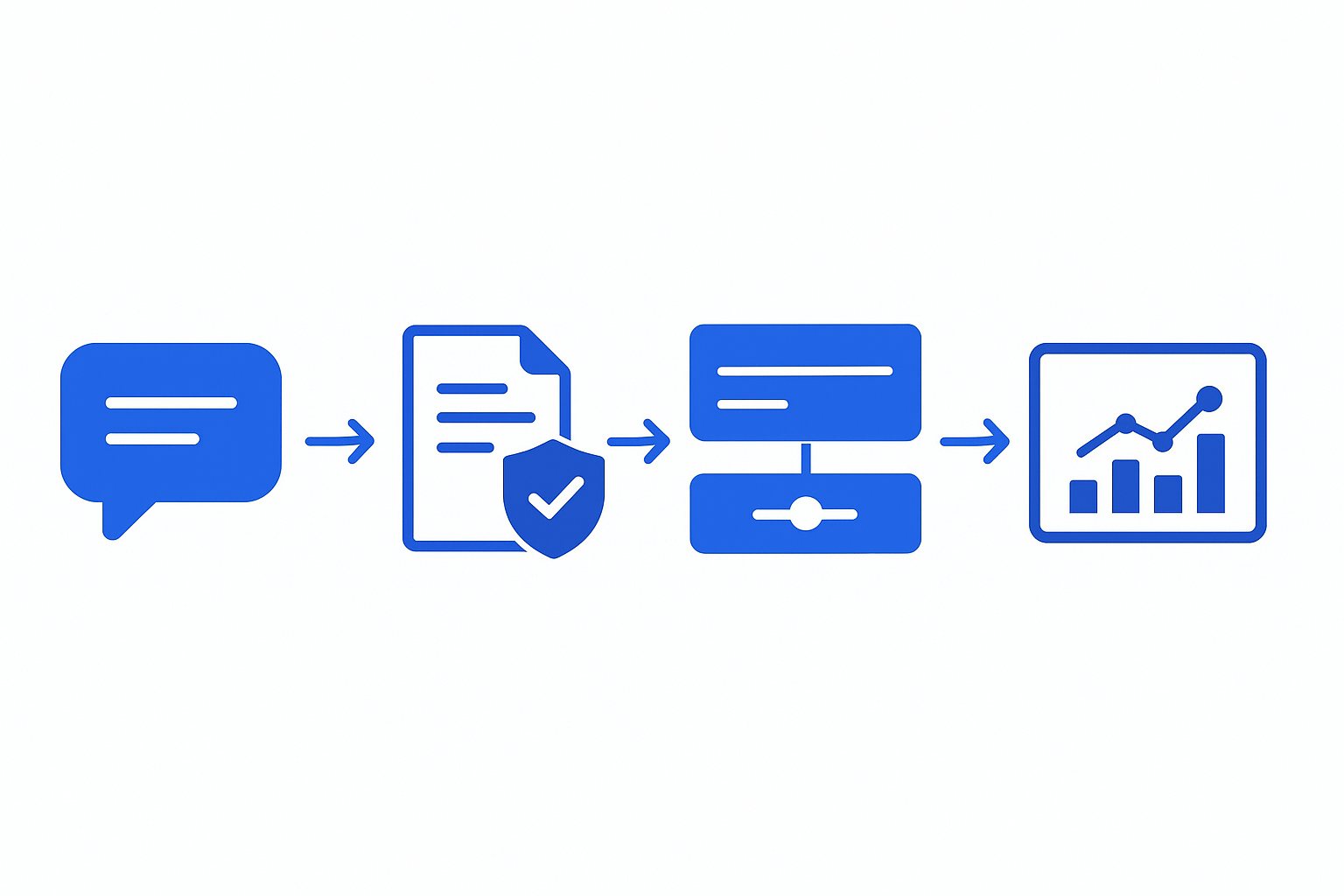
A governance-first guide to rolling out NLQ safely: semantic layers, verified answers, and a phased adoption plan.
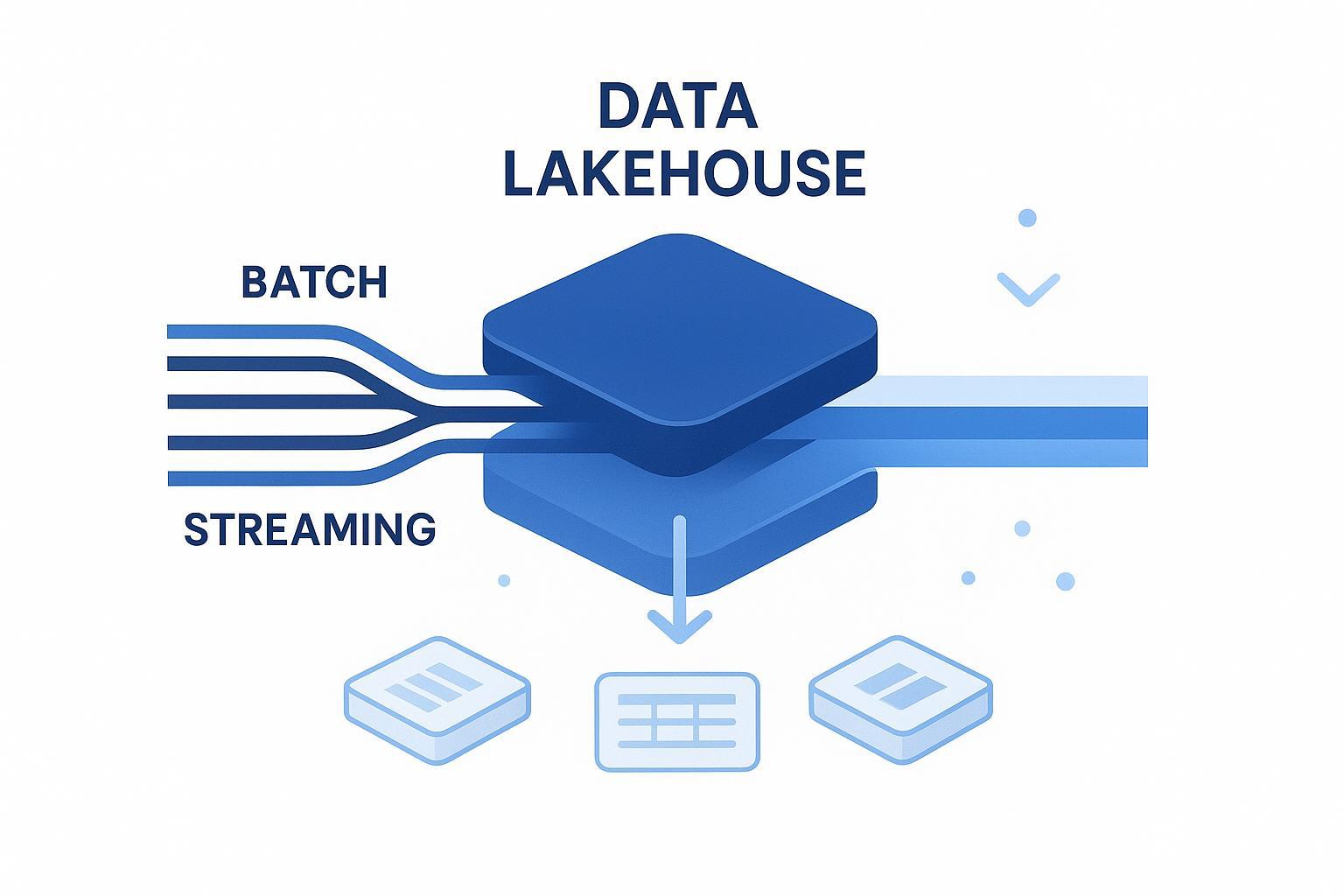
Industry shift to unified lakehouses and open table formats reduces duplication and TCO; actionable consolidation steps and a pilot checklist—read now.
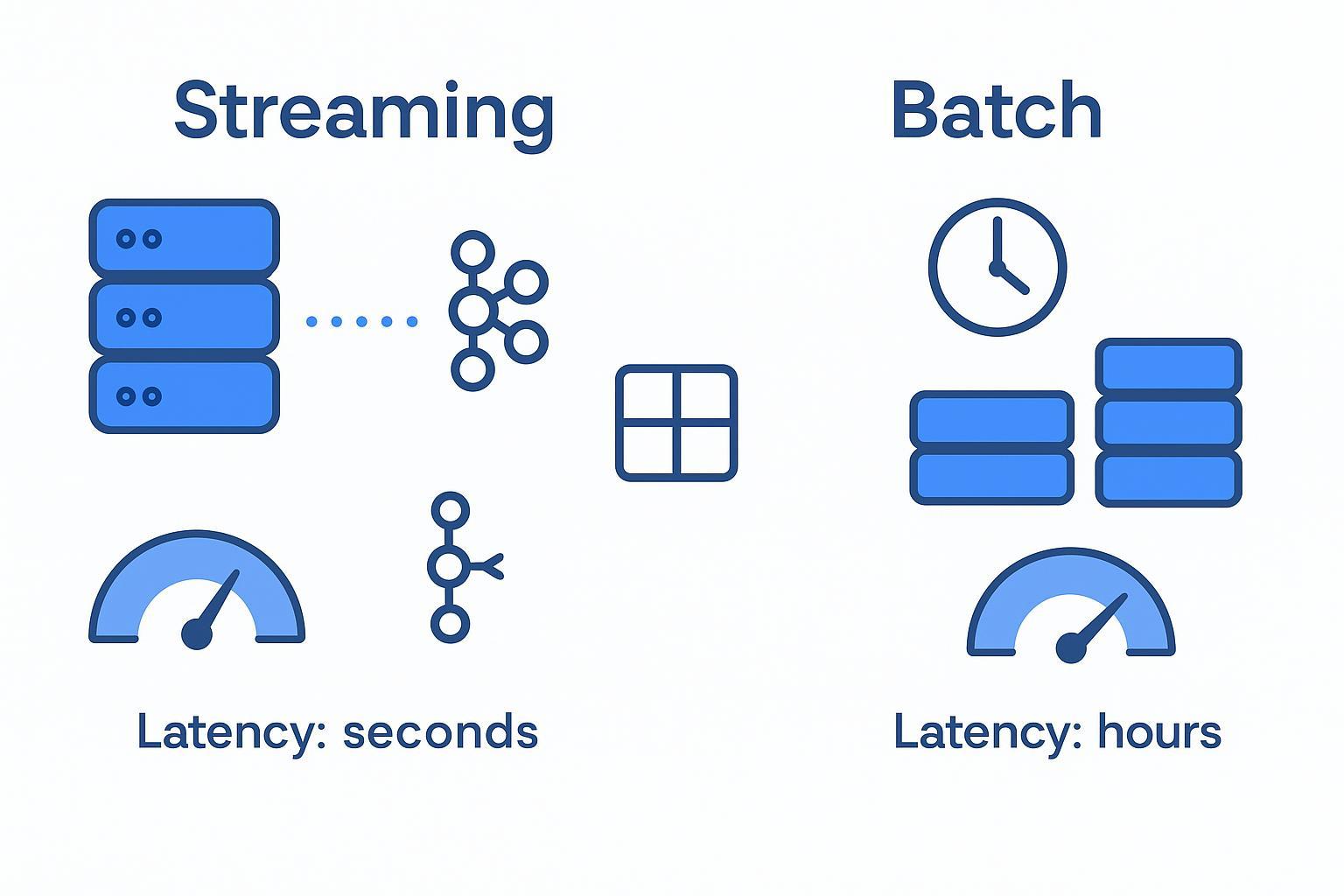
A FinOps-informed framework to decide when streaming is worth it and when batch is enough, with enterprise governance and cost criteria.

How Huohua swapped Spark for Singdata with zero data move—10× faster jobs, hourly freshness, 60%+ lower compute cost.

Learn how live lineage, policy-as-code, and a governed semantic layer turn operational metadata into safe, automated AI actions for your data platform.

NVIDIA didn't pay $12.9B for a repo anyone can mirror. It bought the entry point and telemetry — a data-strategy lesson for CIOs and CEOs.

Structure Data Pipelines with Bronze, Silver, and Gold layers for scalable, high-quality analytics and streamlined data management in your organization.

Compare VRP solvers like OR-Tools, OptaPlanner, and SaaS APIs. Discover their strengths, limitations, and best use cases for logistics optimization.
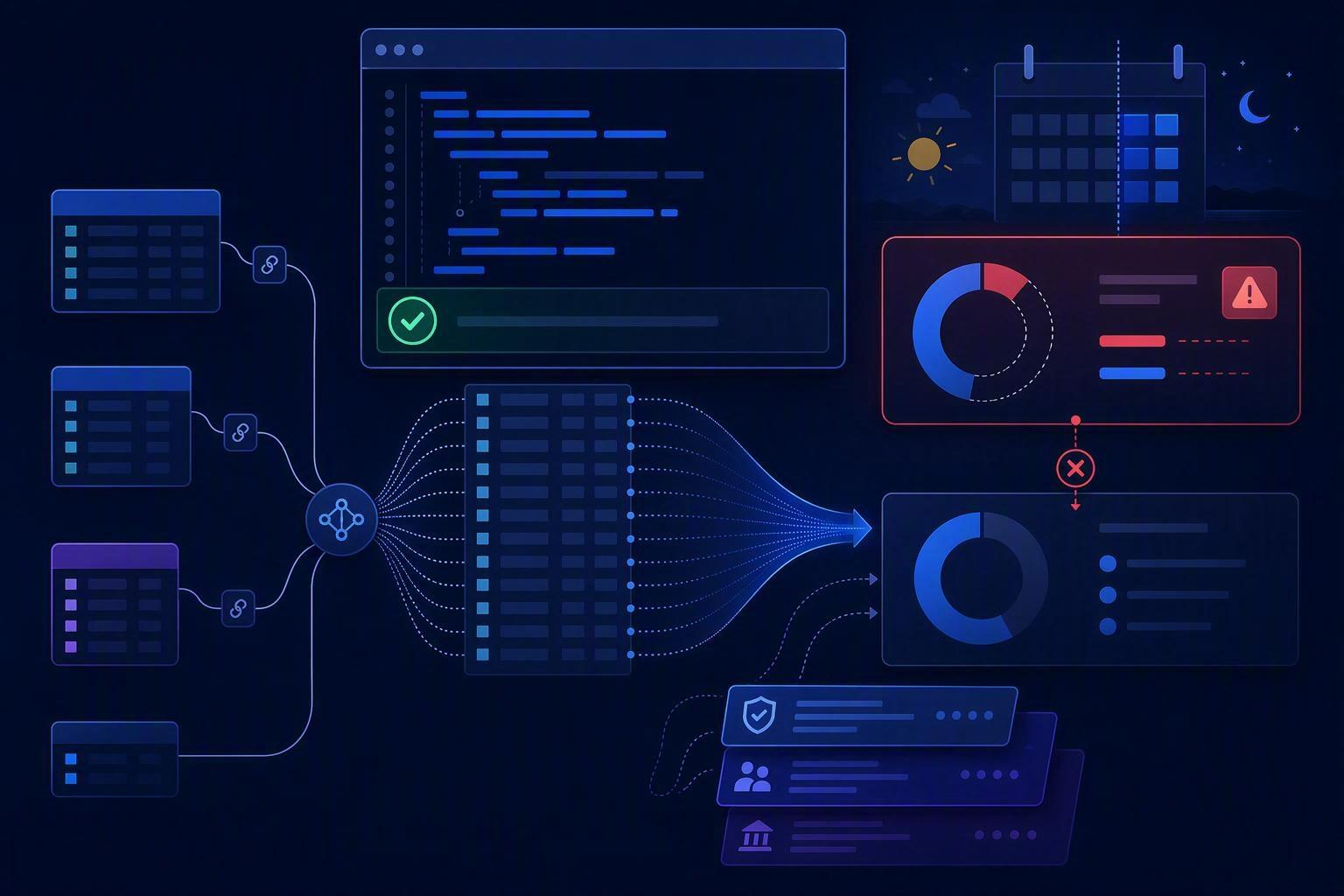
A valid query can still return the wrong business number. See how wrong joins, misplaced filters, and date boundaries change meaning with no error.

LLMs draft SQL well but can't hold authority at scale. See the benchmark gaps and the five constraints that must live outside the model.

Text-to-SQL optimizes query generation, but metric resolution is the unsafe step. Why governed metrics in a semantic layer fix silent semantic errors.
Stay updated with the latest reviews and industry insights from this author.
View Profile